 Save
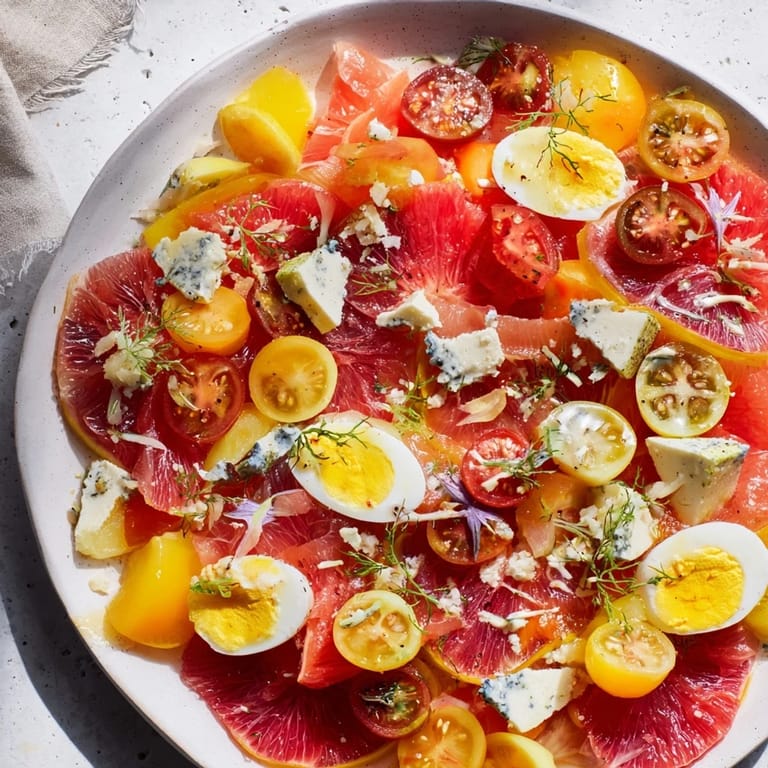
Save I still remember the afternoon I was asked to bring a salad to my friend's baby shower, and I felt that familiar flutter of wanting to create something that would make her smile. Walking through the farmer's market, I found myself drawn to the most beautiful pastel vegetables—pale pink watermelon radishes, golden cherry tomatoes, and the deepest blue blueberries—and it clicked. This wasn't just going to be any salad; it was going to be a edible celebration of the soft, dreamy nursery colors she'd been planning. That day, I realized salads could be art.
Watching my friend's face light up when she saw this salad sitting center stage on her shower table—the soft pastels catching the afternoon light—that moment felt like pure kitchen magic. She told me later it was almost too pretty to eat, but of course we did, and everyone kept asking for the recipe.
Ingredients
- 4 cups baby butter lettuce or mixed baby greens: This is your canvas, and butter lettuce's delicate, tender leaves won't overpower the delicate flavors you're creating—they just cradle everything beautifully.
- 1 cup thinly sliced watermelon radish: The star of the pink palette, and here's a little secret: slice them as thin as you can manage because that's when they become almost translucent and gorgeously pink.
- 1 cup pink grapefruit segments: Fresh grapefruit brings a slight tartness that balances the sweetness of the other elements—make sure to remove any tough white pith for a refined bite.
- ½ cup thinly sliced strawberries: Choose strawberries that are ripe but still firm, or they'll turn to mush; slice them right before assembly to keep that beautiful color.
- ½ cup fresh blueberries: These little jewels give you that precious blue tone—buy them a day ahead and let them come to room temperature for maximum sweetness.
- ½ cup crumbled blue cheese or vegan alternative: The blue cheese adds a sophisticated tang that makes people stop and say, "What is that flavor?"—that's the moment you know you've won.
- 1 cup yellow cherry tomatoes, halved: These are sunshine in fruit form; halving them exposes their seeds and juice, making them even more visually striking.
- ½ cup yellow bell pepper, diced: A mild, sweet element that adds crunch and keeps the yellow section bright without competing with other flavors.
- 2 hard-boiled eggs, sliced (optional, omit for vegan): When you slice them thin, they create these beautiful pale yellow circles that complete the pastel puzzle.
- 3 tbsp extra virgin olive oil: Use the good stuff here—it's the foundation of your dressing and will shine through in every bite.
- 1 tbsp white balsamic vinegar: Unlike dark balsamic, this stays pale and won't muddy your beautiful pastel colors, but it brings the same complex depth.
- 1 tsp honey or agave syrup: A touch of sweetness that ties the acidic and savory elements together in perfect harmony.
- ¼ tsp fine sea salt and freshly ground black pepper: These aren't afterthoughts—they're the quiet magic that makes each element taste like the best version of itself.
Tired of Takeout? 🥡
Get 10 meals you can make faster than delivery arrives. Seriously.
One email. No spam. Unsubscribe anytime.
Instructions
- Create your canvas:
- Spread your baby greens evenly across a large serving platter—think of it like you're creating a soft, leafy bed that will cradle all your beautiful ingredients. The greens should be visible but not overwhelming, leaving plenty of room for the colors to shine through.
- Scatter the pink treasures:
- Now comes the fun part—artfully scatter your watermelon radish, grapefruit, and strawberries across the greens in loose groups. Don't arrange them in perfect lines; let them cluster naturally like they just happened to land there. This is where the salad starts to look like something special.
- Add pops of blue:
- Sprinkle your blueberries and crumbled blue cheese in small clusters throughout the platter. The deep blue against the pale pastels creates visual drama—use this to draw the eye across the plate in a way that feels balanced and intentional.
- Fill with golden yellow:
- Distribute your cherry tomatoes, bell pepper, and egg slices across any gaps, thinking about how the colors dance together. The yellow should complement the pinks and blues, not fight with them—step back and look at your work like you're admiring a painting.
- Make your dressing magic:
- In a small bowl, whisk together your olive oil, white balsamic vinegar, honey, salt, and pepper. Whisk with intention, watching as the dressing slowly emulsifies and transforms from separate ingredients into something silky and unified—this is where flavor truly comes together.
- The final touch:
- Just before serving, drizzle your dressing over the salad with a light hand; too much and you'll muddy those beautiful pastels, too little and the flavors won't sing together. A gentle drizzle across the top lets the beauty show through while bringing all those flavors into conversation.
- Serve with intention:
- Bring this straight to the table while everything is still crisp and the colors are at their most vibrant. The fresher it is when it arrives, the more the beauty will impress and the brighter the flavors will be.
 Save
Save There's something almost sacred about creating food that's beautiful enough to be a centerpiece and delicious enough to disappear from the table. When my friend told me weeks later that people were still talking about that salad, I understood that sometimes the best recipes aren't just about feeding people—they're about creating memories that taste like joy.
The Art of Arrangement
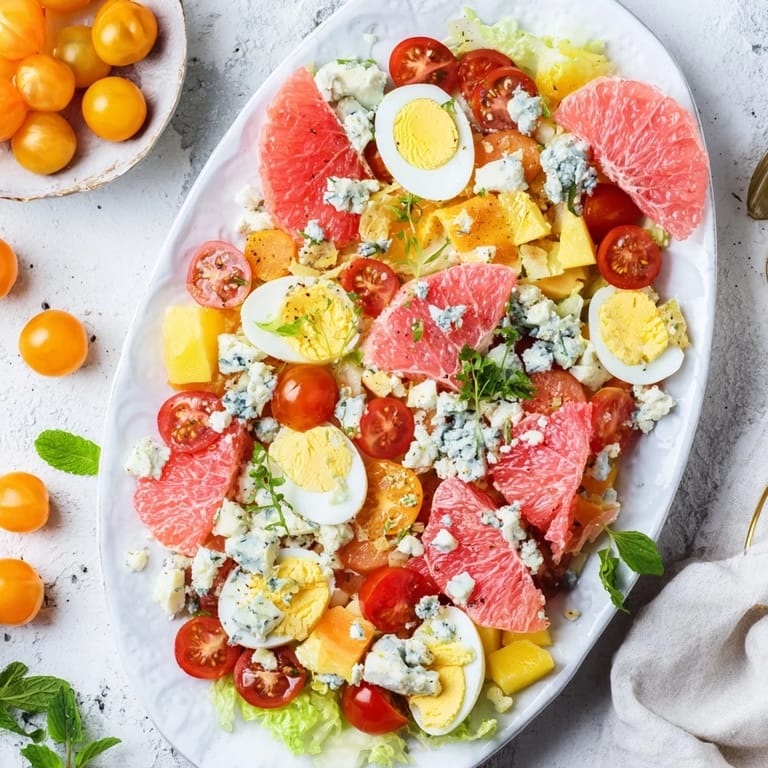
I've learned that the arrangement matters as much as the ingredients themselves. This isn't about creating rigid perfection; it's about creating a sense of intentional beauty where each color feels like it belongs exactly where you've placed it. Step back periodically as you build the salad, looking at it from different angles and distances. The platter should feel balanced but organic, like nature itself decided to paint this composition in pastels. A large, shallow platter works better than a deep bowl because it lets you actually see and appreciate every ingredient—and that's the whole point of this salad.
Why Pastel Colors Matter
Soft colors have a calming, elegant quality that feels luxurious and intentional—they whisper instead of shout. For a baby shower especially, these gentle hues feel thematically perfect, but honestly, they elevate any gathering. The pale pinks, blues, and yellows create visual interest without being aggressive or overwhelming, and there's something about food that's beautiful to look at that makes it taste better. It's not magical thinking; it's genuine—our eyes send signals to our brains that prepare us for flavor, and when something looks this lovely, we're already primed to enjoy it more deeply.
Variations and Substitutions That Work
While this recipe is designed around specific pastel colors, it's wonderfully flexible if you need to adapt it. The structure is solid enough to handle swaps and substitutions without losing its essential character. Think about it as a framework for creating a beautiful, colorful salad rather than a rigid formula you must follow exactly.
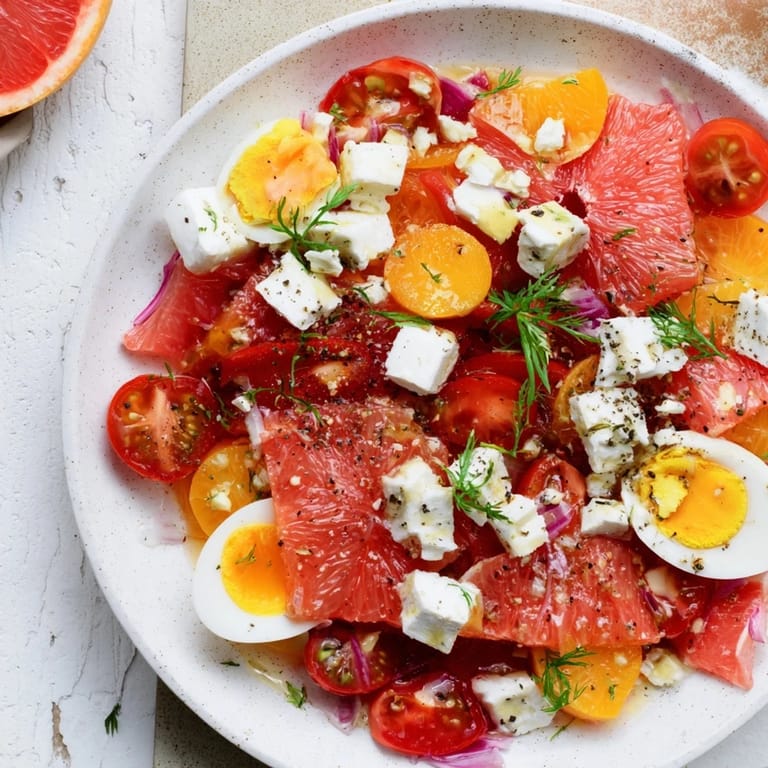
- If you can't find blue cheese, try crumbled feta, goat cheese, or skip the cheese entirely—the salad stands strong on its own with just the vegetables and the delicate dressing.
- Mango cubes substitute beautifully for yellow tomatoes, and if you find yellow beets at the market, those thin slices bring an earthy sweetness that's absolutely lovely.
- For the pink elements, thin-sliced fennel creates a delicate crunch, and pomegranate seeds add both color and a jewel-like quality that guests find delightful.
 Save
Save This salad taught me that sometimes the simplest recipes create the most lasting memories. It's ready in twenty minutes, impresses every single time, and reminds us that taking care with presentation is a form of love.
Recipe FAQs
- → What are the main pastel ingredients used?
Pink elements include watermelon radish, grapefruit, and strawberries; blue elements are blueberries and blue cheese; yellow elements consist of cherry tomatoes, yellow bell pepper, and optionally sliced eggs.
- → Can this be made vegan?
Yes, omit eggs and use a vegan blue cheese alternative or leave out cheese entirely to keep it vegan-friendly.
- → What dressing complements the salad?
A simple mix of extra virgin olive oil, white balsamic vinegar, honey or agave, sea salt, and freshly ground black pepper balances the flavors without overpowering the pastel elements.
- → How should the salad be served for best presentation?
Arrange baby greens evenly, then scatter the pastel ingredients in visually appealing clusters to highlight their colors, finishing with a delicate drizzle of dressing just before serving.
- → Are there any suggested accompaniments?
Serve alongside toasted brioche or crostini for texture and pair with a sparkling rosé to enhance the fresh flavors.