 Save
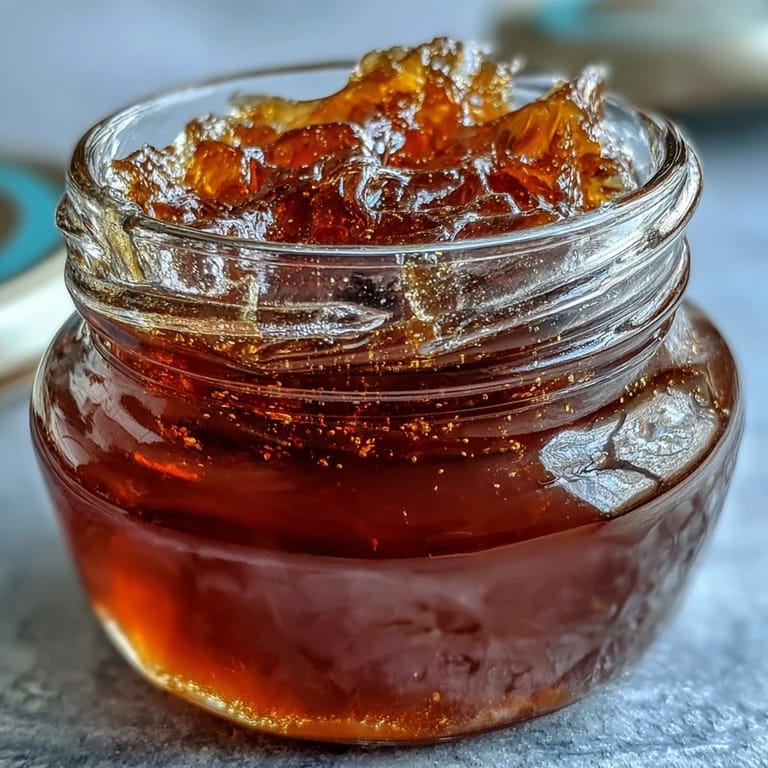
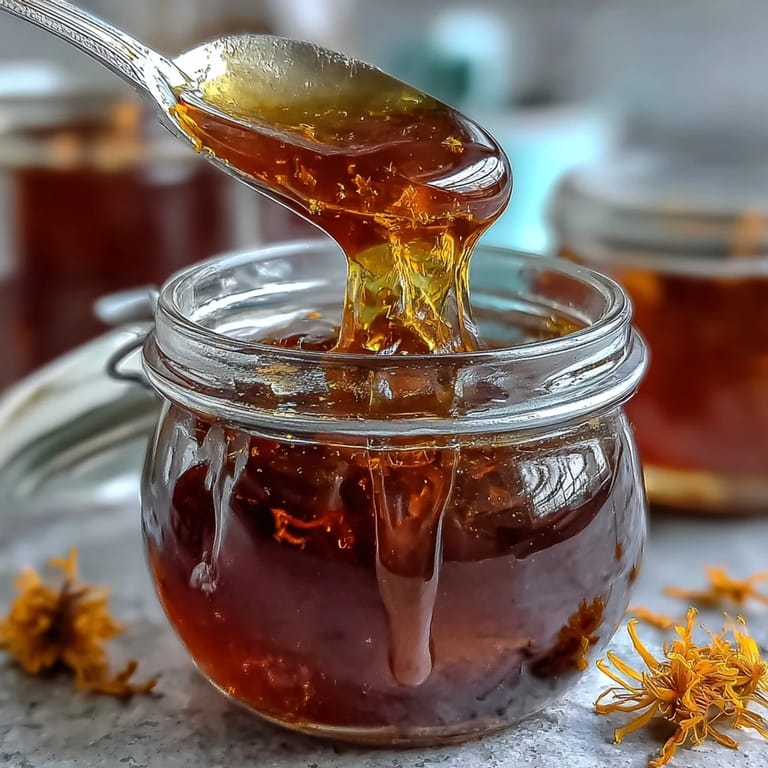
Save Dandelion jelly is a delightful way to preserve the fleeting beauty and scent of spring. This delicate, floral jelly captures the essence of freshly foraged dandelion blossoms, transforming them into a golden, fragrant spread. Perfect on toast, scones, or paired with a creamy cheese, it is a charming addition to your pantry that evokes the early days of the season.
Save Making dandelion jelly is an opportunity to spend time outdoors gathering petals and bringing that freshness indoors. The slow steeping unlocks the delicate flavors, and boiling with lemon juice and pectin sets the jelly to the perfect consistency without overwhelming sweetness.
Ingredients
Tired of Takeout? 🥡
Get 10 meals you can make faster than delivery arrives. Seriously.
One email. No spam. Unsubscribe anytime.
- Dandelion Infusion
- 2 cups dandelion petals (yellow parts only, tightly packed, pesticide-free)
- 4 cups water
- Jelly Base
- 2 tablespoons lemon juice (freshly squeezed)
- 1 package (1.75 oz / 49 g) powdered fruit pectin
- 4 cups granulated sugar
Instructions
- 1. Prepare the dandelion petals
- Remove all green parts (sepals and stems), as they can be bitter.
- 2. Rinse petals gently
- Remove insects or debris carefully.
- 3. Combine petals and water in a saucepan
- Bring to a boil, then simmer for 5 minutes.
- 4. Let steep
- Remove from heat, cover, and let steep for 4 hours (or overnight for a stronger flavor).
- 5. Strain infusion
- Strain the liquid through a fine mesh sieve or cheesecloth, pressing gently to extract as much as possible and discard petals. Yield should be about 3½–4 cups.
- 6. Prepare jelly mixture
- Pour dandelion infusion into a large pot. Add lemon juice and pectin. Stir well and bring to a rolling boil over high heat.
- 7. Add sugar and boil
- Add sugar all at once, stirring constantly. Return to rolling boil and boil hard for 1–2 minutes until jelly reaches setting point (220°F / 104°C).
- 8. Remove foam
- Remove from heat and skim off any foam.
- 9. Jar the jelly
- Ladle hot jelly into sterilized jars, leaving ¼-inch headspace. Wipe rims, seal with lids, and process in a boiling water bath for 10 minutes.
- 10. Cool and store
- Let jars cool undisturbed for 12 hours. Check seals before storing.
Zusatztipps für die Zubereitung
Foraging dandelions requires careful attention to ensure you only use pesticide-free blossoms. Removing all green parts is essential to avoid bitterness in the jelly. Steeping the petals for at least 4 hours lets the floral notes develop fully; longer steeping intensifies flavor. Use a candy thermometer to reach the exact setting temperature for best results.
Varianten und Anpassungen
Add orange zest along with the lemon juice for a citrusy twist. For a less sweet jelly, reduce sugar slightly and use a low-sugar pectin variety. Experiment with infusing herbs like mint for subtle aromatic variations, but always keep proportions balanced to ensure proper setting.
Serviervorschläge
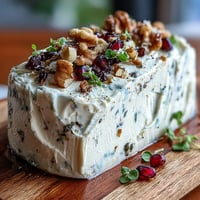
Dandelion jelly shines when spread on warm toast or scones. It also pairs beautifully with soft cheeses such as goat or cream cheese, making for an elegant appetizer. Use it as a glaze for cakes or pancakes to add a delicate floral note to your breakfast or dessert.
 Save
Save With its bright color and floral aroma, dandelion jelly is a charming homemade treasure that brings the spirit of springtime to your table year-round. Enjoy the process of foraging and preserving, and share this lovely spread with friends and family as a special gift from your kitchen.
Recipe FAQs
- → How do you prepare dandelion petals for use?
Remove all green parts like sepals and stems to avoid bitterness, then rinse petals gently to clear any debris or insects.
- → What is the purpose of steeping the petals for hours?
Steeping extracts the floral essence and flavor slowly, resulting in a fragrant infusion that forms the jelly’s base.
- → Why is lemon juice added to the mixture?
Lemon juice provides natural acidity which helps the jelly set properly and brightens the flavor balance.
- → How can you tell when the jelly has reached the setting point?
The jelly is ready when it boils hard for 1–2 minutes and reaches about 220°F (104°C), indicating proper gel formation.
- → What are the best ways to use this floral spread?
It pairs wonderfully with toast, scones, pancakes, or as a glaze to complement cakes and cheeses.