 Save
Save The smell of kimchi hitting hot oil still reminds me of my tiny first apartment kitchen, where the ventilation was so poor that my roommate would text me from work asking what I was making. I had discovered a jar of kimchi at the back of my fridge, forgotten and perfectly fermented, and decided to throw it into some leftover rice. That impulsive weeknight dinner turned into one of those recipes that anchors you when youre too tired to think but still want something that actually tastes like something.
I made this for my skeptical father who claimed he didnt like spicy food, and he went back for seconds. The key is letting the kimchi caramelize in the pan, which mellows the heat and brings out this incredible sweetness that balances everything. Now he asks for it every time he visits, which feels like a personal victory.
Ingredients
- 2 cups cooked short-grain rice, preferably day-old: Using rice that has had time to dry out in the fridge prevents gummy fried rice. Freshly cooked rice works too but spread it on a baking sheet to cool and dry slightly first.
- 1 cup napa cabbage kimchi, chopped, plus 2 tbsp kimchi juice: Older, well-fermented kimchi works best here because it has developed more tang and complexity. The juice is liquid gold for seasoning.
- ½ cup yellow onion, finely chopped: The onion sweetness balances the kimchis tang and gives the dish a more rounded flavor profile.
- ½ cup carrot, diced: Adds a subtle sweetness and a bit of crunch that contrasts nicely with the softer rice.
- 2 green onions, sliced: Separate the white and green parts. The whites go in early for flavor, the greens at the end for fresh color and mild onion flavor.
- 1 tbsp gochujang (Korean chili paste): This adds a fermented chili depth that plain hot sauce cannot replicate. Find it in Asian markets or well-stocked grocery stores.
- 1 tbsp soy sauce: Provides the salty base. Use a good quality soy sauce since it is a major flavor contributor.
- 1 tsp toasted sesame oil: Add this at the end to preserve its aromatic qualities. A little goes a long way.
- ½ tsp sugar: Just enough to round out the sharp edges of the kimchi and bring harmony to the sauce.
- ⅛ tsp freshly ground black pepper: Adds background heat and complexity without overpowering the dish.
- 2 tbsp vegetable oil: A neutral oil with a high smoke point is essential for high-heat stir-frying.
- 1 tsp toasted sesame seeds: For that restaurant-style finish and a nutty crunch.
- 2 fried eggs, optional: The runny yolk creates an incredible sauce when mixed into the rice. This is non-negotiable for me.
Tired of Takeout? 🥡
Get 10 meals you can make faster than delivery arrives. Seriously.
One email. No spam. Unsubscribe anytime.
Instructions
- Sauté the vegetables:
- Heat 1 tablespoon of vegetable oil in a large skillet or wok over medium-high heat until it shimmers. Add the chopped onion, carrot, and the white parts of the green onion. Sauté for 2-3 minutes until the vegetables are slightly softened and fragrant.
- Caramelize the kimchi:
- Add the chopped kimchi and cook for another 2-3 minutes. You want to see some browning and caramelization on the edges of the kimchi, which deepens the flavor significantly.
- Build the sauce:
- Stir in the gochujang, soy sauce, kimchi juice, sugar, and black pepper. Cook for 1 minute, stirring constantly to coat the vegetables evenly and let the flavors meld together.
- Add the rice:
- Add the rice and break up any clumps with your spatula. Toss everything together and stir-fry for 3-4 minutes until the rice is evenly coated and heated through. The rice should start to develop slightly crispy edges.
- Finish with aromatics:
- Drizzle with sesame oil and add the green parts of the green onion. Stir well to combine, removing the pan from heat immediately to preserve the fresh green color.
- Top with eggs, if using:
- In a separate pan, heat the remaining oil and fry eggs to your liking. Sunny-side up gives you that perfect runny yolk to mix into the rice.
- Serve immediately:
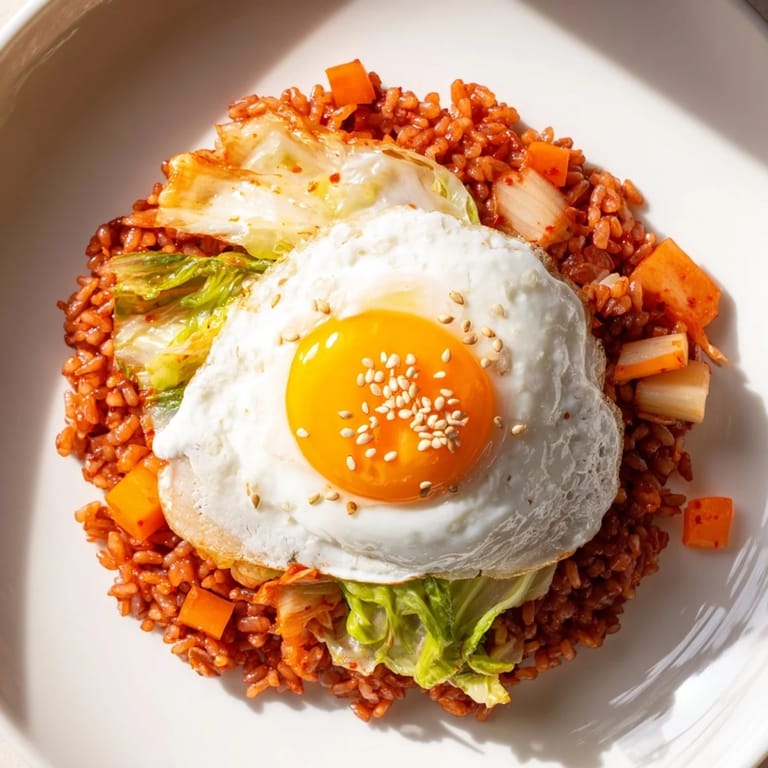
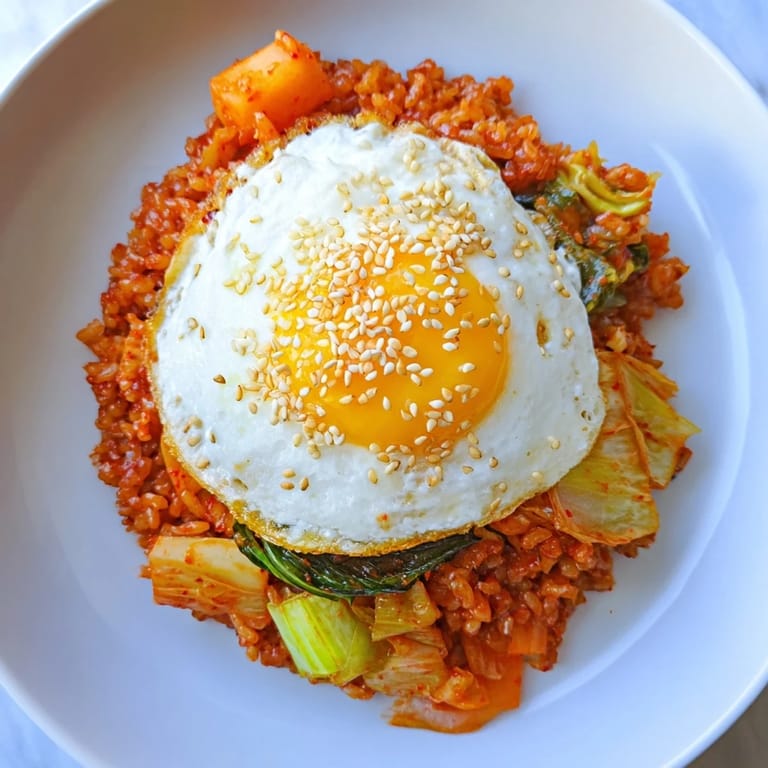
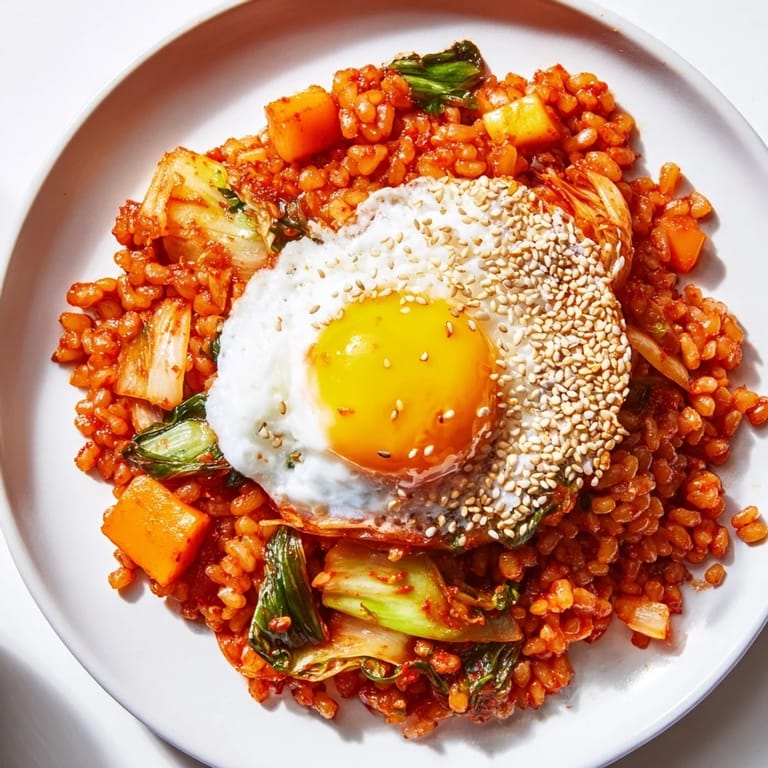
- Serve the kimchi fried rice in bowls, topped with a fried egg and a generous sprinkle of sesame seeds. Let everyone break their own yolks.
 Save
Save This recipe became my go-to for nights when friends drop by unexpectedly because it looks impressive but takes almost no active thought. There is something magical about transforming humble leftovers into a dish that makes people pause mid-bite and ask for the recipe.
Getting the Rice Texture Right
The biggest mistake people make with fried rice is using freshly cooked, steaming rice that has not had time to dry out. This results in gummy, clumpy rice instead of individual grains that get slightly crispy at the edges. Day-old rice stored in the refrigerator is ideal because the grains have firmed up and excess moisture has evaporated. If you are in a hurry, spreading hot rice on a baking sheet and popping it in the freezer for 15-20 minutes helps mimic that texture.
Building Layers of Flavor
Great kimchi fried rice is not just about throwing everything in the pan at once. Each ingredient needs its moment to shine. The onions and carrots need time to soften and sweeten. The kimchi needs time to caramelize and develop those crispy, concentrated edges. The sauce needs a moment to cook with the vegetables before the rice joins the party. This step-by-step approach is what transforms it from kimchi mixed with rice into an actual cohesive dish.
Customizing Your Bowl
Once you have the basic technique down, this recipe becomes a canvas. The kimchi fried rice I make for myself is different from the one I make for friends or the one I make when I have specific leftovers to use up.
- Diced tofu, shredded chicken, or shrimp can be added with the vegetables for extra protein
- A handful of baby spinach or frozen peas added in the last minute of cooking boosts the nutrition
- Top with a drizzle of gochujang mayo or extra kimchi juice if you like it spicy
 Save
Save There is a particular comfort in a bowl of food that costs almost nothing, comes together in minutes, and tastes like it came from a restaurant. This is the recipe that taught me some of the best cooking happens when you work with what you have.
Recipe FAQs
- → Why use day-old rice for kimchi fried rice?
Day-old rice has dried out slightly, which prevents it from becoming mushy during stir-frying. The grains separate easily and develop a better texture when heated. Freshly cooked rice can work if spread thin and cooled, but leftovers yield the best results.
- → Can I make this dish less spicy?
Absolutely. Reduce the amount of gochujang and kimchi juice to tame the heat. You can also add a pinch more sugar to balance the flavors. The spice level is entirely adjustable to your preference.
- → What protein options work well with this?
While the optional fried egg adds richness, you can incorporate diced tofu, shredded cooked chicken, or sautéed shrimp directly into the rice. These proteins absorb the spicy-savory sauce beautifully and make the dish more filling.
- → Is kimchi fried rice suitable for meal prep?
Yes, it reheats wonderfully. Store portions in airtight containers and refrigerate for up to 4 days. Reheat in a skillet with a splash of water or oil to refresh the texture. Add a fresh fried egg when serving for the best experience.
- → What can I serve with kimchi fried rice?
Pair it with simple banchan like pickled vegetables, cucumber salad, or seaweed sheets. A crisp lager, cold barley tea, or even a light Korean soju complements the bold flavors. For a full spread, add soup or grilled meats on the side.
- → How do I prevent the rice from sticking to the pan?
Use a well-seasoned wok or nonstick skillet and ensure the oil is hot before adding rice. Break up clumps with your spatula and keep the rice moving. The caramelization on the rice grains creates desirable texture without sticking.