 Save
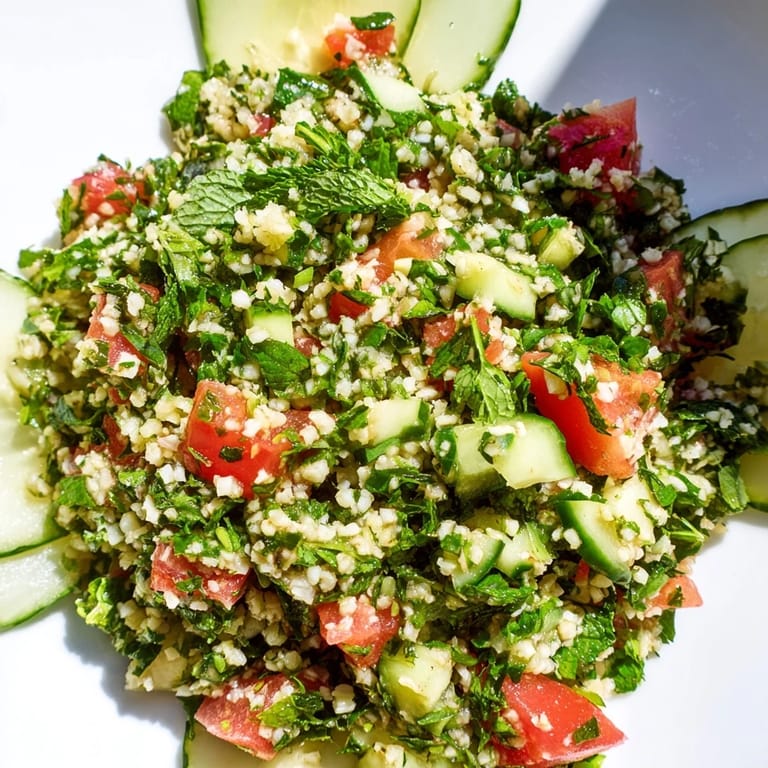
Save The first time I tasted real tabbouleh was at a small table in Beirut, where an elderly woman stirred the salad in a massive wooden bowl with such deliberate care that I realized I'd been eating an imposter version my whole life. She handed me a fork and said nothing, just watched as I took that first bite of bright green, herbaceous freshness. That moment taught me that tabbouleh isn't just a salad—it's a celebration of parsley, a humble grain, and the confidence that simple ingredients don't need much fussing.
I made this for a potluck once and watched it disappear before the main course even arrived—people kept going back for more, scooping it up with pita bread like it was the only thing worth eating. That's when I understood that tabbouleh has this quiet magic where everyone seems to want seconds without really knowing why.
Ingredients
- Fine bulgur wheat: Look for the smallest grind you can find; it hydrates faster and creates a delicate, tender base that absorbs the dressing perfectly without turning mushy.
- Boiling water: Hot water matters here—it's the quickest way to soften the bulgur, so save yourself the step of cooking it on the stove.
- Flat-leaf parsley: This is where most homemade tabbouleh goes wrong; curly parsley tastes sharp and grassy, but flat-leaf is sweet and herbaceous—use about 2 cups chopped and don't be shy with it.
- Fresh mint: A smaller amount than the parsley, but it lifts the whole dish and keeps it from feeling one-dimensional.
- Spring onions: They add a mild onion bite without overpowering anything, and finely slicing them lets them distribute evenly throughout.
- Tomatoes: Seed them first so the salad doesn't get watery; this one detail changes everything about the texture.
- Cucumber: Dice it small so it mingles with everything else and doesn't sit there like chunks.
- Extra-virgin olive oil: Use one you actually like drinking because you'll taste every drop; it's the backbone of the dressing.
- Freshly squeezed lemon juice: Bottled lemon juice tastes flat and one-dimensional compared to fresh; the brightness you need is only in the real thing.
- Sea salt and pepper: Taste as you go because these two are what make the herbs sing.
Tired of Takeout? 🥡
Get 10 meals you can make faster than delivery arrives. Seriously.
One email. No spam. Unsubscribe anytime.
Instructions
- Hydrate your bulgur gently:
- Pour the fine bulgur into a small bowl and cover it with the boiling water like you're tucking it in for a nap. Let it sit for 10 to 15 minutes until it's tender but still has a little bite to it, then fluff it with a fork and set it aside to cool.
- Build the green base:
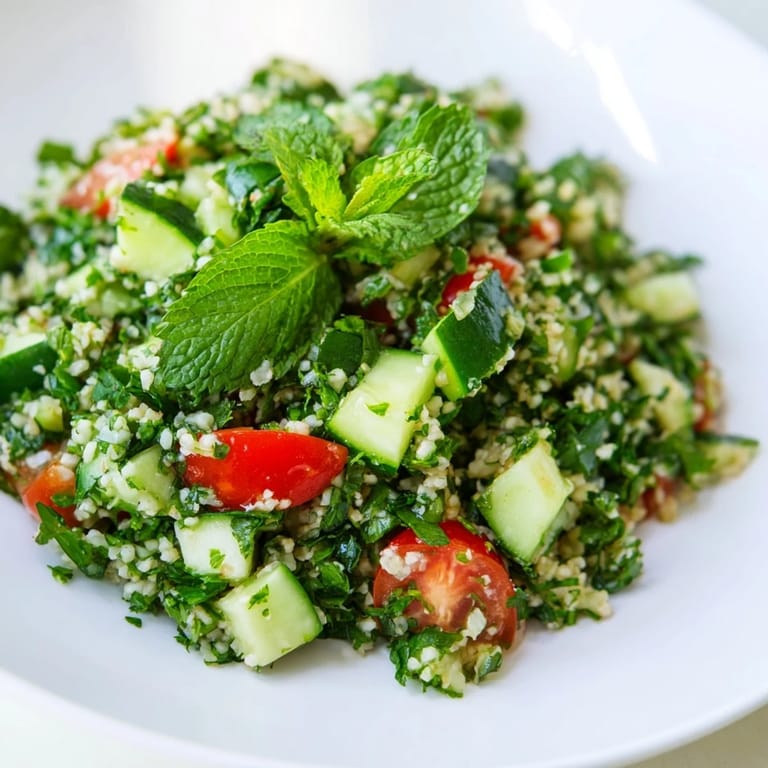
- In a large bowl, toss together your chopped parsley, mint, spring onions, diced tomatoes, and cucumber—this is where the salad gets its soul. The sheer volume of parsley might seem strange, but trust it; that's what makes tabbouleh taste like tabbouleh.
- Bring everything together:
- Once your bulgur has cooled slightly, add it to the bowl of herbs and vegetables and mix gently so nothing bruises. In a separate small bowl, whisk together your olive oil, lemon juice, salt, and pepper until it's well combined and the salt is dissolved.
- Dress and taste:
- Pour the dressing over the salad and toss everything together with a light hand—you're combining, not crushing. Have a small taste and adjust the salt, pepper, or lemon juice until it makes you happy; this is your version of it now.
 Save
Save There's a moment, maybe five minutes after you've dressed the salad, when you take a bite and realize the lemon juice has stopped being sharp and bright and has woven itself into the parsley, the bulgur, everything. That's when you know it's ready.
The Parsley Question
I used to buy a small handful of parsley thinking that would be enough, then wonder why my tabbouleh tasted like salad instead of like a proper Lebanese dish. The revelation came when I realized I needed to commit—buy two large bunches, chop them generously, and let parsley be the star, not a supporting character. Once you embrace this, the whole salad transforms.
Serving and Storage Wisdom
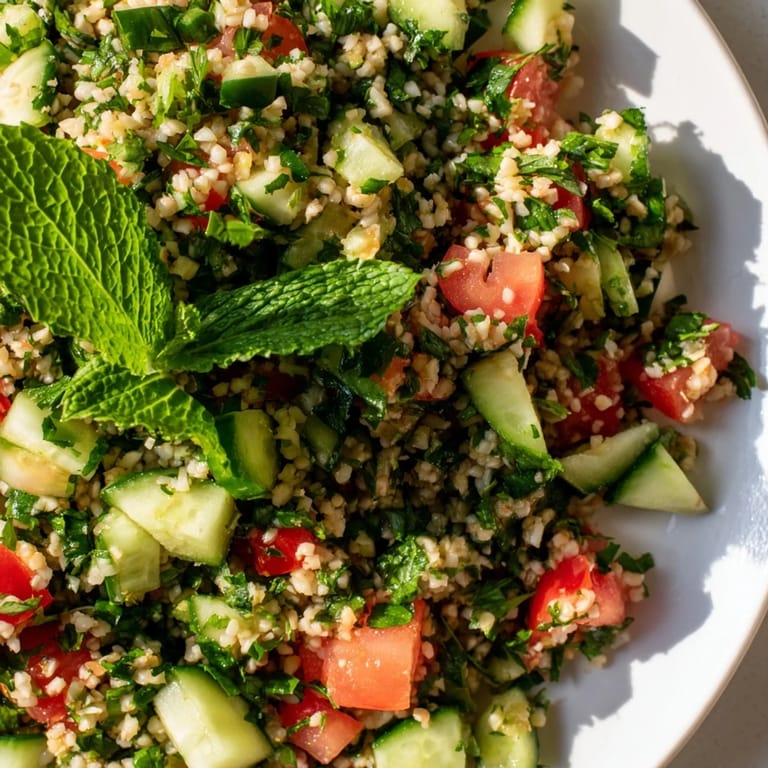
This salad is best enjoyed fresh, ideally within a few hours of assembly, when every herb is still vibrant and the bulgur has a little texture. If you're making it ahead, keep the dressing separate and toss it together just before serving, or it'll start to compress.
Variations and Possibilities
I've made this with quinoa when I needed it gluten-free and it works beautifully, though it doesn't absorb the dressing quite as readily as bulgur does. Some people add pomegranate seeds or pine nuts, which adds color and richness, but the purest version—the one that tastes like it walked straight out of a Beirut kitchen—is the one with nothing but parsley, mint, and the basics.
- For a heartier version, add cooked chickpeas or white beans to make it a light main course.
- A handful of pomegranate seeds adds sweetness and visual brightness without changing the core flavor.
- Let leftovers warm to room temperature before eating them; cold straight from the fridge mutes the herb flavors.
 Save
Save Tabbouleh is one of those dishes that reminds you why fresh ingredients and simple technique matter so much. Make it when you want something light, something fast, and something that tastes like actual food instead of a recipe.
Recipe FAQs
- → How do I prepare the bulgur for tabbouleh?
Pour boiling water over fine bulgur and let it soak covered for 10–15 minutes until tender, then drain and fluff with a fork.
- → Can I substitute bulgur for a gluten-free option?
Yes, cooked quinoa can replace bulgur to suit gluten-free diets without compromising texture.
- → What is the best parsley to use?
Flat-leaf parsley is recommended for its vibrant flavor and texture.
- → How long can the tabbouleh be stored?
It is best enjoyed fresh but can be refrigerated for up to two days while maintaining its freshness.
- → What dishes pair well with this salad?
It complements grilled meats, falafel, or works well as part of a mezze platter.