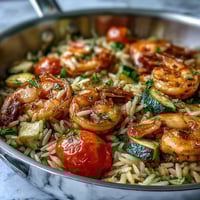
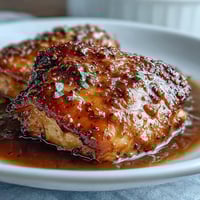
 Save
Save My neighbor stopped by one spring afternoon with a bundle of fresh spinach from her garden, and I had to figure out what to do with it before it wilted. I rummaged through the pantry, found a box of orzo, and decided to build something light but filling around it. That first bowl, with the lemon catching the late afternoon light and the cream pooling at the bottom, felt like the dish had been waiting for me to discover it all along.
I made this for my partner on a Tuesday when they came home exhausted, and watching them eat with their eyes closed for a moment—just tasting it, not thinking—reminded me why I love cooking. That's when I knew this wasn't just a recipe I'd stumbled into, but something that actually mattered.
Ingredients
- Chicken breasts or thighs (500 g): Thighs stay juicier if you're cooking ahead, but either works beautifully when cut into bite-sized pieces so they cook evenly and mingle with the orzo.
- Orzo pasta (250 g): This tiny rice-shaped pasta absorbs all the flavors swimming around it and creates that luxurious, creamy texture naturally.
- Fresh baby spinach (100 g): It wilts down to almost nothing, so three cups of fresh leaves gives you the green nutritional punch without overwhelming the dish.
- Yellow onion and garlic: These two are your aromatic foundation—the onion sweetens as it cooks, and the garlic adds a whisper of warmth.
- Low-sodium chicken broth (900 ml): Quality broth makes a real difference here since it's the liquid that brings everything together; taste yours first and adjust salt accordingly.
- Whole milk or half-and-half (120 ml): This is what gives the dish its silky, cozy finish without being heavy or overly rich.
- Lemon zest and juice: The zest is where the real magic happens—tiny bits of bright citrus oil that wake up every bite way more than juice alone ever could.
- Parmesan cheese (50 g): Freshly grated melts smoothly and adds a salty, umami depth that feels almost luxurious.
- Olive oil (2 tbsp): Split between cooking the chicken and sautéing the aromatics keeps everything moving without sticking.
- Salt, pepper, and chili flakes: Start conservative with salt since broth and cheese already contribute; the optional chili flakes add a subtle kick if you're in the mood.
Tired of Takeout? 🥡
Get 10 meals you can make faster than delivery arrives. Seriously.
One email. No spam. Unsubscribe anytime.
Instructions
- Sear the chicken until golden:
- Heat a tablespoon of olive oil in a large skillet over medium-high heat until it shimmers, then add your chicken pieces seasoned lightly with salt and pepper. Let them sit undisturbed for a moment so they develop that golden crust—this takes about 5 to 7 minutes, and you'll know they're ready when they release easily from the pan and look burnished and cooked through.
- Build your flavor base:
- In the same skillet, add the remaining oil and sauté your diced onion until it turns translucent and starts to soften, which takes 2 or 3 minutes. Add the minced garlic and give it just 30 seconds—you want it fragrant but not brown, or it will taste bitter.
- Toast the orzo briefly:
- Stir the dry orzo into the pan and let it cook for about a minute, stirring frequently so every grain gets a little coat of oil and heat. This toasting step adds a subtle nuttiness that you wouldn't get if you skipped it.
- Simmer until tender:
- Pour in the chicken broth and bring everything to a gentle boil, then lower the heat to medium-low. Stir occasionally as the orzo absorbs the liquid, which takes about 8 to 10 minutes—the pasta should be just tender and most of the broth should be soaked in, with maybe a thin layer of liquid still visible at the bottom.
- Reunite and wilt:
- Return the cooked chicken to the skillet and stir in the fresh spinach, which will collapse down into bright little threads within a couple of minutes. This is when your dish starts to feel like it's coming together as a whole.
- Finish with brightness and creaminess:
- Add the lemon zest, lemon juice, milk, and grated Parmesan, stirring gently until the cream is silky and the cheese is melted through. The whole thing should feel luxurious and warm, and you can taste as you go, adding more salt or pepper if the broth you used was particularly mild.
- Serve warm:
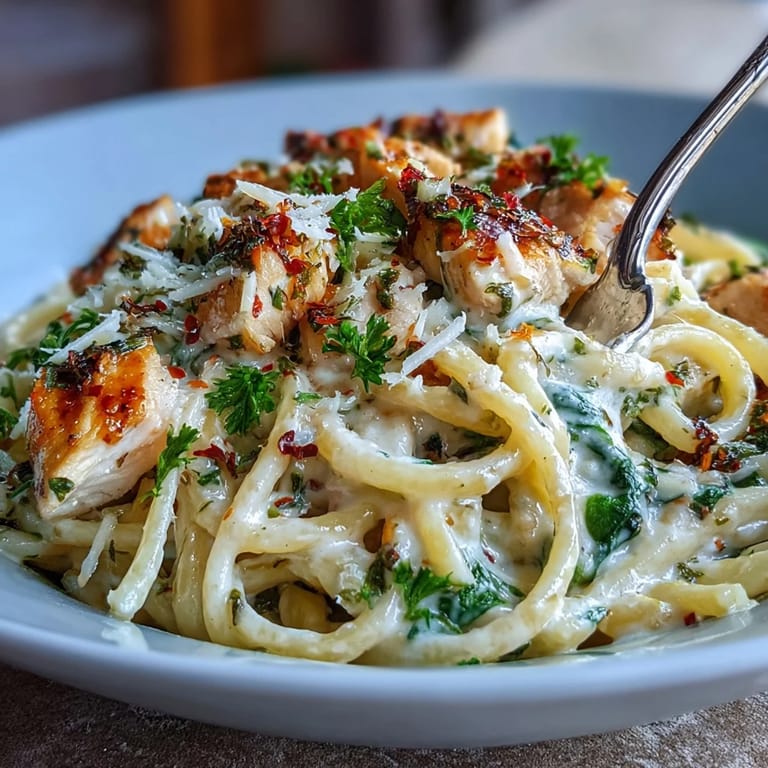
- Divide into bowls and finish with a scatter of fresh parsley and a little more Parmesan if you're feeling generous, then eat it while it's still steaming.
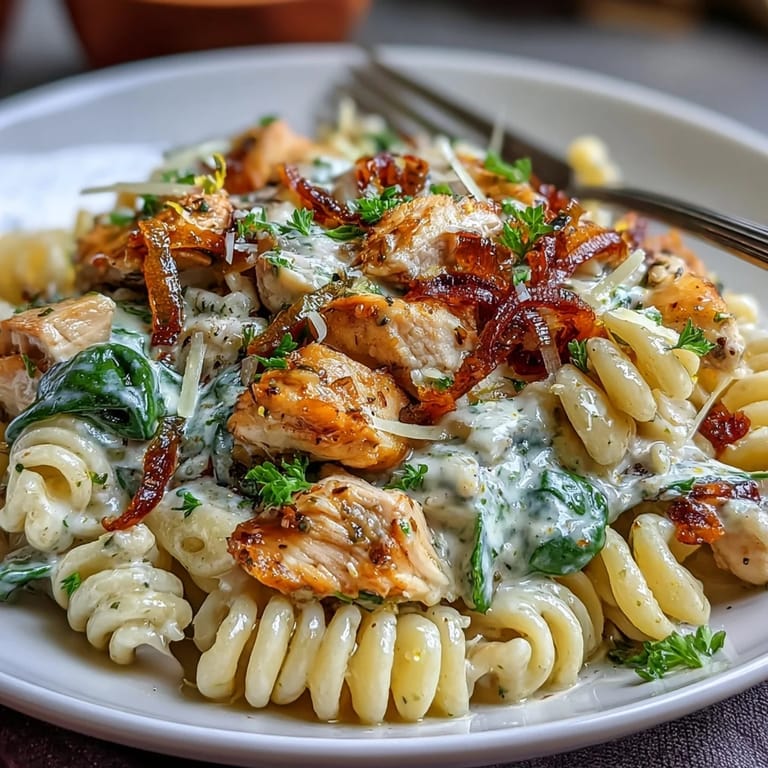
 Save
Save There's something about a dish that comes together in one pan and tastes like you spent all day on it. This one has a way of turning an ordinary evening into something worth sitting down for.
Why This Recipe Works So Well
The genius of this dish is that it borrows from the logic of risotto—cooking pasta directly in broth so it soaks up all the flavoring—but without the constant stirring and babying that risotto demands. You're building flavor in layers: first the chicken gets some color, then the aromatics get soft and sweet, then the pasta toasts just enough to matter, and finally everything swims together in that silky cream. By the time you add the lemon and Parmesan, you're not trying to save a bland dish; you're just adding the final bright note to something that's already delicious.
Variations and Swaps to Consider
I've made this with sliced shrimp instead of chicken on nights when I wanted something a little lighter—they cook in about 3 minutes, so you'd add them in step 5 alongside the spinach instead of step 1. You could also use turkey if that's what you have, or even leave the protein out entirely and let the dish rest on the vegetables, pasta, and cream. The pasta itself is flexible too; I've used risoni, tiny shells, even small broken pieces of regular spaghetti, and it all works because you're cooking it in liquid rather than water.
Serving Suggestions and Pairings
This dish doesn't ask for much more than a simple green salad with vinaigrette to cut through the richness, or a crusty piece of bread to catch the last silky bits at the bottom of your bowl. A chilled Sauvignon Blanc or Pinot Grigio alongside it tastes like spring in a glass, the acidity and brightness meeting the lemon and cream halfway. On warmer evenings, I've served it at room temperature the next day with a squeeze of fresh lemon, which is a kind of magic I didn't expect but have come to crave.
- Pair with a bitter green salad dressed simply with lemon vinaigrette to contrast the creamy pasta.
- Top with fresh herbs like dill or tarragon if you have them and want to push the freshness even further.
- A sprinkle of crispy breadcrumbs over each bowl adds a textural surprise that feels fancy but takes no extra work.
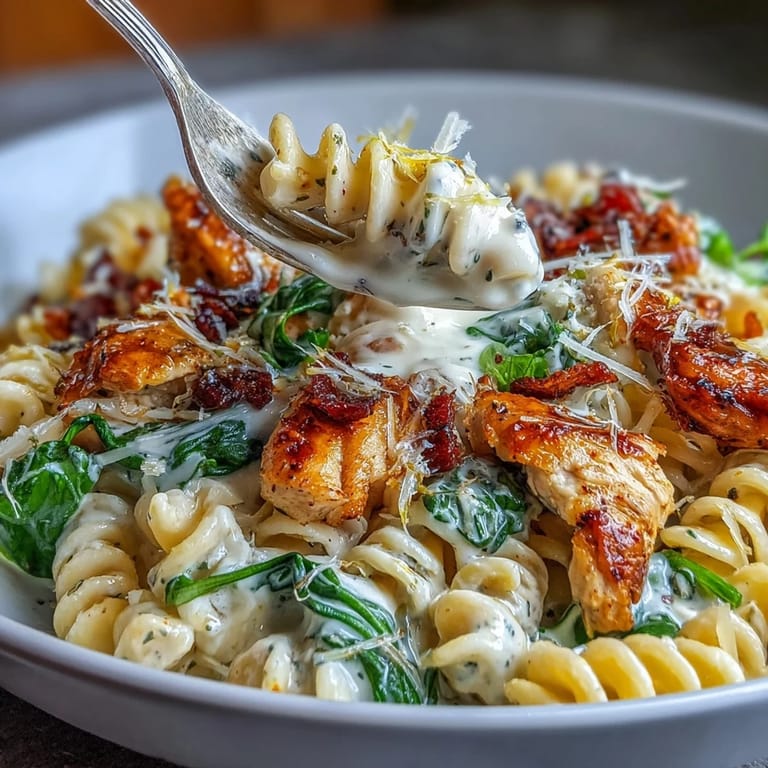
 Save
Save This is the kind of recipe that gets easier and more intuitive the more you make it, and one you'll find yourself reaching for on those evenings when you want something that tastes like care without feeling like burden. Once you've made it once, you'll own it.
Recipe FAQs
- → Can I use chicken thighs instead of breasts?
Yes, chicken thighs work well and stay juicy during cooking, adding extra flavor to the dish.
- → How do I know when the orzo is perfectly cooked?
The orzo should be tender but still slightly firm to the bite, typically after simmering 8-10 minutes.
- → Can I substitute the chicken broth with vegetable broth?
Vegetable broth is a good alternative for a lighter flavor or to make the dish vegetarian-friendly by replacing chicken.
- → What can I use if I want to make it dairy-free?
Omit the milk and Parmesan, or swap in plant-based milk and vegan cheese alternatives for creaminess.
- → How can I add extra citrus flavor?
Marinate the chicken in lemon juice and garlic before cooking to infuse bright, zesty notes throughout.