 Save
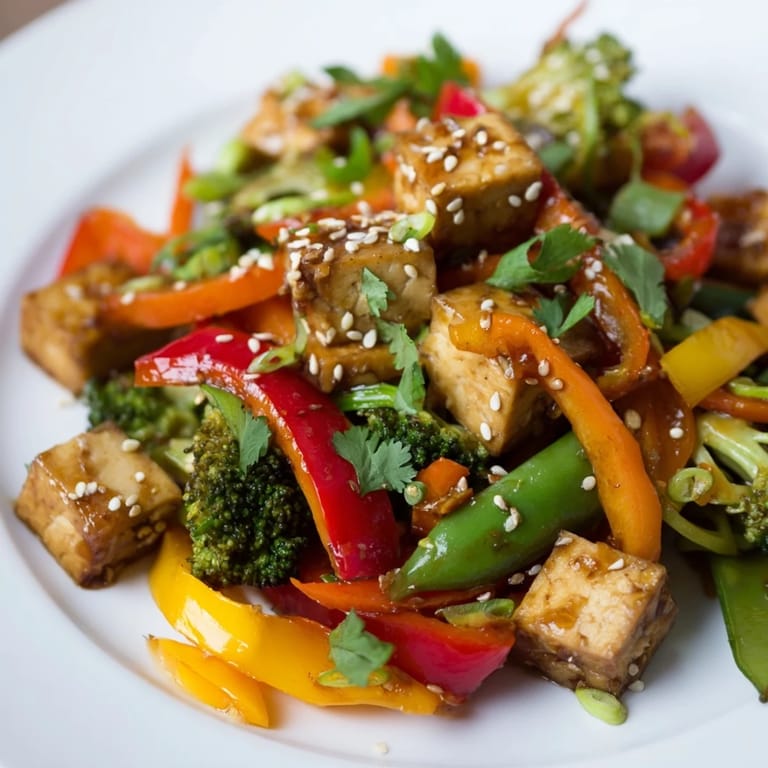
Save The first time I made tempeh stir-fry, my roommate leaned over the stove and asked what that nutty, earthy smell was. I told her it was fermented soybeans and she looked skeptical, but one bite later she was asking for the recipe. Now its the dinner I make when I want something substantial but still light enough that I wont feel weighed down afterwards.
Last winter, my friend came over feeling drained and I threw this together while she sat at my counter. She watched the vegetables hit the hot oil and said it looked like something from a restaurant, but the truth is, stir-fries are forgiving. They teach you to work with what you have and trust your instincts more than any precise measurement.
Ingredients
- 250 g tempeh, cut into 1 cm cubes: Tempehs fermented nature gives it a deeper flavor than tofu, and cutting it into small cubes helps it develop golden edges quickly
- 1 red bell pepper and 1 yellow bell pepper, sliced: Using two colors makes the dish visually vibrant while adding natural sweetness that balances the salty sauce
- 1 medium carrot, julienned: The carrot provides crunch and holds its texture through the high heat, contrasting with softer vegetables
- 100 g sugar snap peas, trimmed: These stay crisp-tender and add fresh sweetness that complements the savory elements
- 100 g broccoli florets: Broccoli absorbs the sauce beautifully while maintaining enough bite to feel substantial
- 2 spring onions, sliced: Added at the end for a mild onion flavor that brightens the dish without overpowering it
- 2 cloves garlic, minced: Fresh garlic forms the aromatic base that infuses the oil with depth
- 2 cm piece fresh ginger, peeled and minced: Ginger adds warmth and zing that cuts through the richness of the tempeh
- 3 tbsp soy sauce: The foundation of umami in the sauce, use tamari if you need it gluten-free
- 2 tbsp water: Thins the sauce just enough so it coats the stir-fry evenly
- 1 tbsp rice vinegar: Adds subtle acidity that brightens all the flavors
- 1 tbsp maple syrup or agave nectar: A touch of sweetness balances the salty soy sauce
- 1 tsp toasted sesame oil: A little goes a long way, adding that unmistakable nutty finish
- 1 tsp cornstarch: Helps the sauce cling to the vegetables and tempeh instead of pooling at the bottom
- 2 tbsp vegetable oil: A neutral oil with a high smoke point is essential for stir-frying over high heat
- 1 tbsp toasted sesame seeds: Optional garnish that adds crunch and reinforces the sesame flavor
- Fresh coriander or cilantro leaves: A handful of herbs at the end makes everything taste fresh and finished
Tired of Takeout? 🥡
Get 10 meals you can make faster than delivery arrives. Seriously.
One email. No spam. Unsubscribe anytime.
Instructions
- Whisk together the sauce:
- Combine soy sauce, water, rice vinegar, maple syrup, sesame oil, and cornstarch in a small bowl, stirring until the cornstarch dissolves completely. Set it aside where you can reach it easily once the cooking starts.
- Crisp the tempeh:
- Heat 1 tablespoon of oil in a large wok or skillet over medium-high heat until it shimmers slightly. Add the tempeh cubes and let them cook undisturbed for a minute before stirring, continuing for 4 to 5 minutes until golden on all sides, then transfer to a plate.
- Bloom the aromatics:
- Add the remaining oil to the wok and toss in the garlic and ginger, stirring constantly for about 30 seconds until fragrant but not browned. This step infuses the oil with flavor before the vegetables hit the pan.
- Stir-fry the vegetables:
- Add the bell peppers, carrot, sugar snap peas, and broccoli to the wok, tossing frequently for 4 to 5 minutes. You want them tender-crisp, brightly colored, and still retaining some bite.
- Combine everything:
- Return the tempeh to the wok, give the sauce a quick whisk, and pour it over the stir-fry. Toss everything together for 1 to 2 minutes until the sauce thickens slightly and glossy coats each piece.
- Finish and serve:
- Remove from heat immediately and stir in the spring onions. Scatter with sesame seeds and fresh coriander if you like, then serve while steaming hot over rice or noodles.
 Save
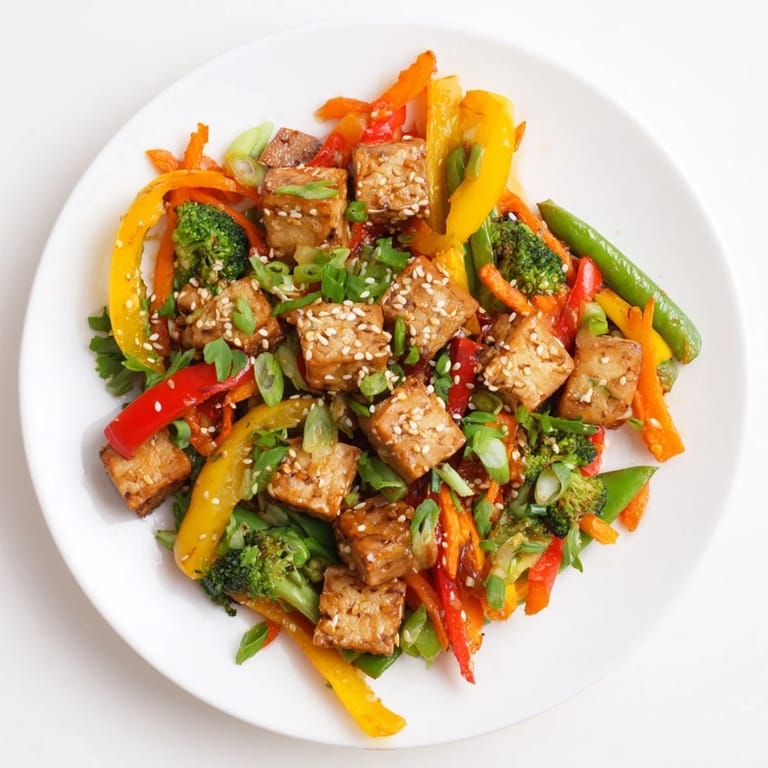
Save My partner now requests this specifically on nights when weve both had long days and need something comforting but not heavy. There is something about the combination of textures and the way the sauce brings everything together that feels like a hug in a bowl.
Making It Your Own
I have learned that stir-fries are incredibly forgiving. Sometimes I add mushrooms for umami or baby corn for extra crunch, depending on what looks good at the market. The sauce works with almost any vegetable combination you have on hand.
Rice Or Noodles
Jasmine rice is my go-to because its subtle fragrance complements the sauce without competing. Soba noodles work beautifully too, especially if you toss them directly into the wok at the end to absorb some of that sauce.
Heat Level
If you like spice, add red pepper flakes or a drizzle of sriracha directly into the sauce. Start with a small amount, taste, and adjust from there.
- Prep all ingredients before you start cooking, since stir-frying moves quickly
- Keep a bowl of water nearby to deglaze the pan if anything starts to stick
- Leftovers reheat well, though the vegetables will soften slightly
 Save
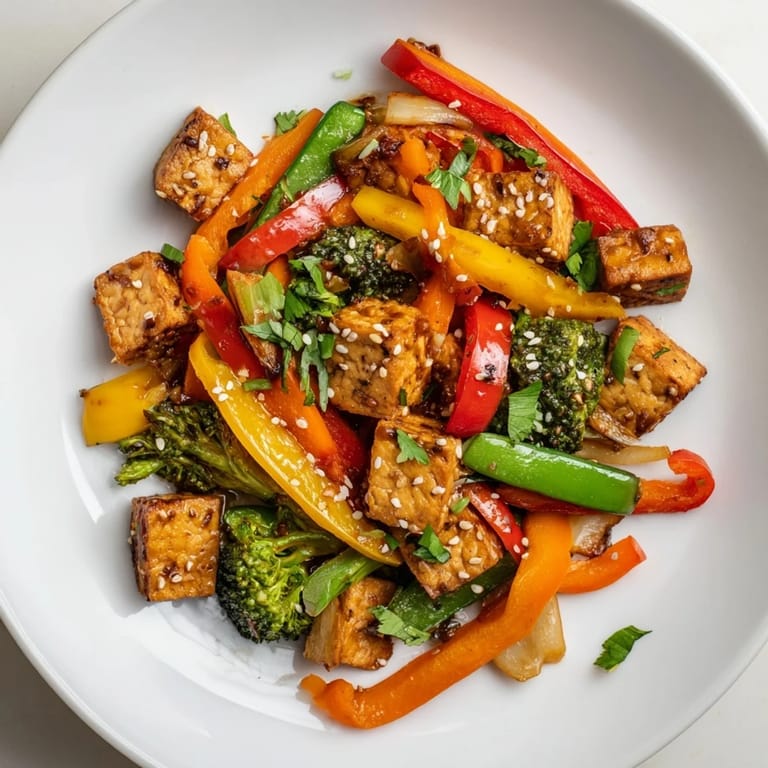
Save This stir-fry has become one of those recipes I can make almost without thinking, but it never fails to make the table feel warm and gathered. Hope it brings that same ease to your kitchen too.
Recipe FAQs
- → Is tempeh better than tofu for stir-frying?
Tempeh holds its shape exceptionally well during high-heat cooking and develops a pleasantly nutty, caramelized exterior. Its firm texture and earthy flavor make it particularly suitable for stir-frying where you want protein that doesn't break apart.
- → Can I prepare the vegetables ahead of time?
Absolutely. You can slice all vegetables and cube the tempeh up to 24 hours in advance. Store them in airtight containers in the refrigerator. The sauce can also be mixed ahead—just give it a quick whisk before using since the cornstarch may settle.
- → What vegetables work best in this stir-fry?
Vegetables that maintain some crunch when cooked quickly are ideal. Beyond what's listed, try mushrooms, baby corn, zucchini, snow peas, or bok choy. The key is cutting everything into similar-sized pieces so they cook evenly.
- → How can I add more protein to this dish?
Tempeh already provides 15g of protein per serving. To increase it further, you could add edamame, cashews, or peanuts during the final minute of cooking. For non-vegans, a beaten egg stirred through at the end also works beautifully.
- → Is this dish spicy?
The base version is mild with just ginger and garlic for warmth. To add heat, incorporate fresh chili slices, red pepper flakes, or a drizzle of sriracha into the sauce. You can also serve with chili oil on the side for customizable spice levels.