 Save
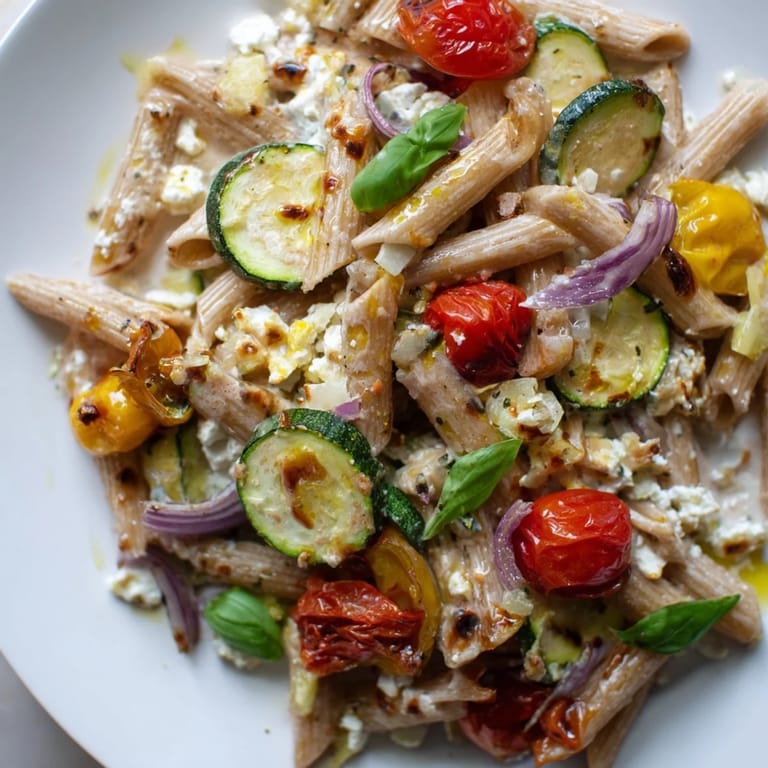
Save The first time I made the viral feta pasta, I stood in my kitchen watching the cheese melt into a creamy puddle, mesmerized. But halfway through eating it, I felt a little heavy, a little guilty about all that richness. So I started tinkering—swapping regular pasta for whole grain, loading up the pan with roasted vegetables that would add texture and nutrition. What emerged was something that felt both lighter and more satisfying, like I'd finally made the dish my body actually wanted.
I made this for friends who'd been skeptical about lighter cooking, and watching them reach for seconds told me everything I needed to know. The charred edges of the zucchini, the way the oregano perfumed the entire dish—it wasn't about restriction, it was about intention.
Ingredients
- Reduced-fat feta cheese block (200 g): The star that gets creamy and spreadable when roasted; using a block instead of crumbles helps it melt into a proper sauce.
- Cherry tomatoes (400 g, halved): They burst and caramelize into jammy pockets of sweetness that balance the salty feta.
- Zucchini (1 medium, diced): Roasting concentrates its flavor and gives you tender pieces that drink up the feta sauce.
- Red bell pepper (1, diced): Adds sweetness and a silky texture once caramelized, plus gorgeous color.
- Red onion (1 small, sliced): The slight sharpness mellows as it roasts, turning mellow and almost caramel-like.
- Garlic (2 cloves, minced): Added after roasting keeps it fresh and fragrant without burning.
- Extra-virgin olive oil (2 tbsp): Quality oil is the difference between good and transcendent; don't skimp here.
- Dried oregano (1 tsp): Mediterranean backbone that ties everything together.
- Crushed red pepper flakes (½ tsp, optional): A whisper of heat that makes every other flavor pop.
- Salt and black pepper: Season generously at each stage so flavors build, not at the end.
- Fresh basil leaves: A final flourish that adds brightness and makes it feel restaurant-worthy.
- Whole-grain pasta (300 g): The texture and nuttiness here grounds the whole dish in something more substantial than white pasta.
Tired of Takeout? 🥡
Get 10 meals you can make faster than delivery arrives. Seriously.
One email. No spam. Unsubscribe anytime.
Instructions
- Get your oven ready and prep the vegetables:
- Preheat to 200°C (400°F). While it heats, halve your tomatoes, dice the zucchini and pepper into roughly ¾-inch pieces, and slice your red onion into thin, elegant strands. Having everything prepped before you start makes the next steps feel calm and controlled.
- Toss vegetables with oil and seasonings:
- Spread them in your baking dish, drizzle with olive oil, scatter oregano and red pepper flakes across the top, season with salt and pepper, and toss with your hands until every piece glistens. This is when you taste a raw tomato half—it tells you if you need more salt.
- Nestle the feta and start roasting:
- Place your feta block right in the center like it's the prize at the bottom of the box. Drizzle a little more oil over the top so it gets a golden, creamy exterior. Slide the whole thing into the oven for 25–30 minutes, until the vegetables have caramelized at their edges and the feta looks soft and inviting.
- Cook your pasta while vegetables roast:
- Fill a large pot with salted water (it should taste like the sea) and bring it to a rolling boil. Add your whole-grain pasta and cook according to package directions. Before draining, scoop out about ½ cup of that starchy water—it's liquid gold for loosening your sauce later.
- Add garlic and mash it all together:
- The moment the vegetables emerge from the oven, scatter your minced garlic over everything while it's still steaming. The residual heat will soften it just enough. Now, using a wooden spoon or fork, gently mash the soft feta, breaking it into creamy curds and stirring it into the roasted vegetables until you have a chunky, luxurious sauce.
- Bring it all together:
- Add your drained pasta directly to the baking dish along with a splash of reserved pasta water. Toss everything together, adding more pasta water a little at a time until you have a silky sauce that coats every piece of pasta. It should look creamy but not soupy.
- Finish and serve:
- Tear fresh basil leaves over the top, do a final taste for salt and pepper, and serve straight from the baking dish. There's something generous about eating family-style like this, something that says you've made something worth sharing.
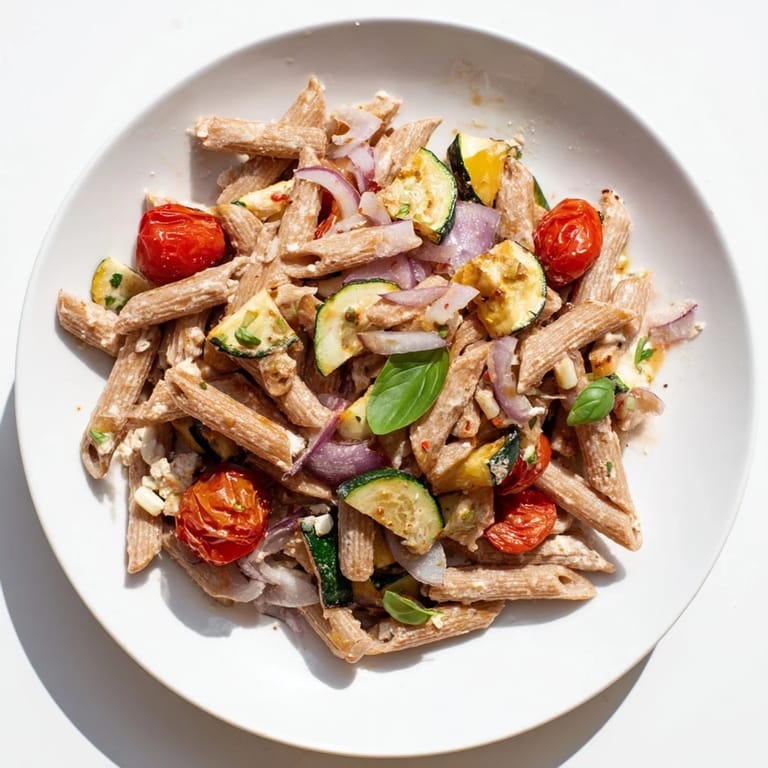 Save
Save The beauty of this dish hit me one evening when someone said it was the most satisfying thing they'd eaten in weeks, and they didn't even mention how much better it was for them. That's when I realized good cooking isn't about compromise—it's about understanding what makes food actually delicious.
Why Whole Grain Matters Here
Regular white pasta would disappear into that creamy sauce, becoming almost invisible. Whole grain holds its shape and has a slight chew that stands up to the richness of the feta, giving your mouth something to do. It also adds an earthy undertone that makes the Mediterranean flavors feel more grounded and real. The first time I switched, I thought it might taste healthier in a boring way—instead, it tasted more interesting.
Roasting Is Everything
I used to boil these vegetables or sauté them quickly, thinking it was faster. The difference between that and roasting them is the difference between a recipe and a dish worth remembering. Heat concentrates sugars, caramelizes edges, and creates depth. Your oven does the work while you handle the pasta, and the result tastes like you spent hours coaxing flavors out of simple ingredients.
Building Flavor Through Seasoning
I used to salt at the end, wondering why everything tasted flat. Now I season the vegetables before roasting, then taste and adjust after everything comes together. It's the difference between a pinch here and there and a dish where every element sings. The salt draws out the vegetables' moisture, which caramelizes them faster, and the oregano infuses the whole pan as it roasts.
- Taste a raw piece of vegetable to know if you need more salt before roasting.
- Add garlic after roasting so it stays fresh and bright instead of turning bitter.
- Reserve pasta water without fail—it's your safety net if the sauce gets too thick.
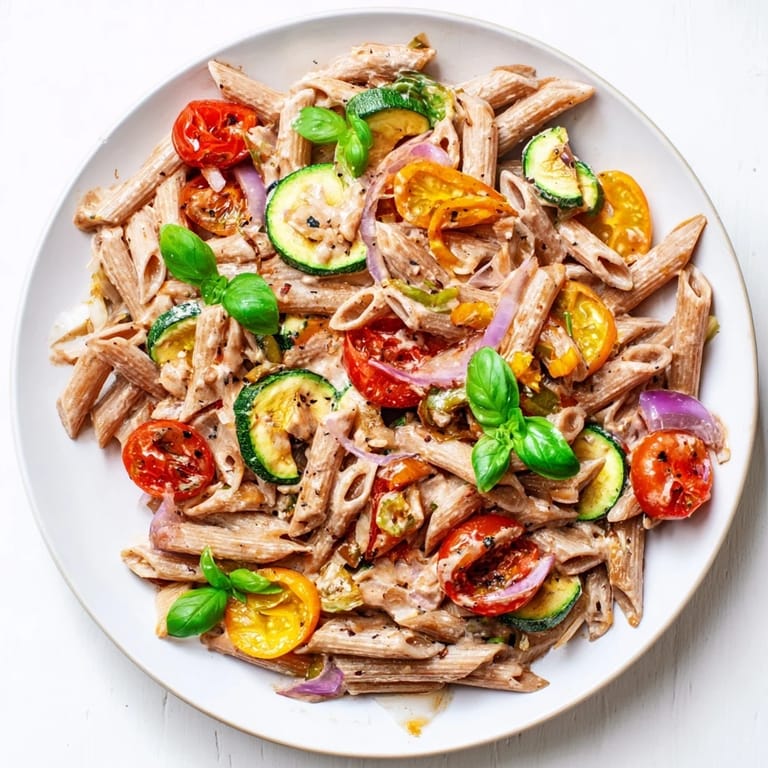 Save
Save This is the kind of dish that makes you feel like you're taking care of yourself while actually enjoying dinner. That's the whole story right there.
Recipe FAQs
- → Can I use other vegetables in this dish?
Yes, swap in seasonal or preferred veggies such as spinach, eggplant, or asparagus to vary flavors and textures.
- → Is whole-grain pasta necessary?
Whole-grain pasta adds nuttiness and fiber, but you can substitute with your preferred pasta type, including gluten-free options.
- → How do I achieve a creamy texture in the sauce?
Gently mashing the baked feta with garlic and mixing in reserved pasta water creates a smooth, creamy vegetable sauce.
- → Can I add protein to this dish?
Yes, stirring in drained canned chickpeas before baking boosts protein content and adds heartiness.
- → What herbs complement the flavors best?
Fresh basil and dried oregano enhance the Mediterranean profile, adding aromatic and savory notes.