 Save
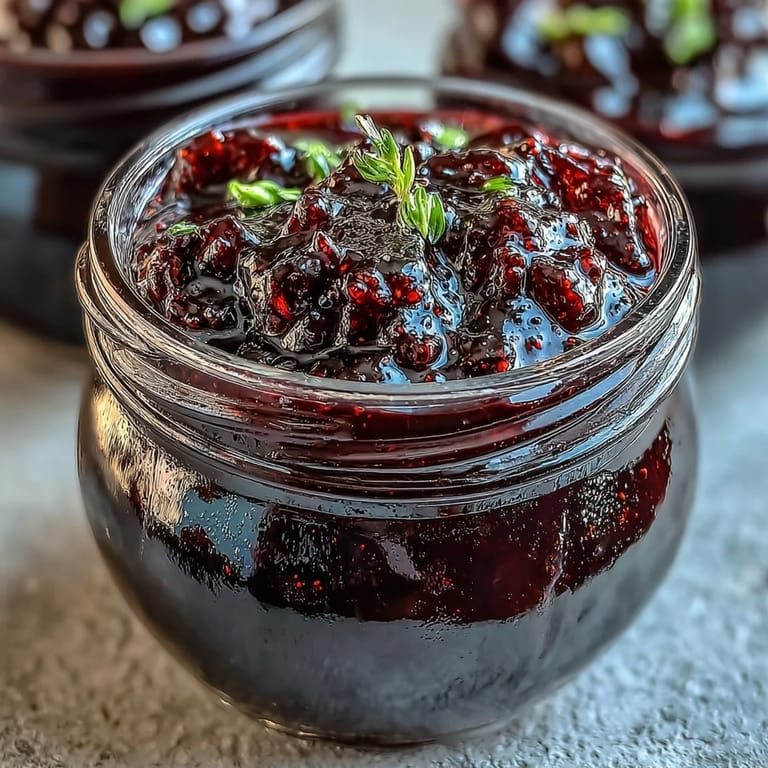
Save There's something almost magical about watching black currants transform into jewel-toned jelly, especially when your kitchen fills with that tart, unmistakable aroma that seems to promise something delicious is coming. I discovered this recipe years ago while browsing a small farmer's market stand, where the vendor handed me a tiny spoon to taste her homemade version—and I was completely hooked. That first time I made it, I underestimated how long the draining would take and nearly pressed the fruit out of impatience, which would have clouded everything. Now, I've learned that patience isn't just a virtue in jelly-making; it's the secret ingredient that separates a murky spread from something you're genuinely proud to give as a gift. Every jar I seal feels like capturing the very essence of summer in glass.
I'll never forget the first time I served this jelly at a small dinner party, watching a friend's face light up when she spread it on warm toast and tasted that first bite. She actually closed her eyes, and in that moment I understood why people have been making jellies for centuries—it's about creating something that tastes like a memory, like care distilled into a jar. My partner has since declared it the only jelly allowed in our house, which feels like the highest compliment.
Ingredients
- Fresh black currants (1 kg / 2.2 lbs): These berries are packed with natural pectin and a complex tartness that's impossible to replicate; source them when they're truly ripe, which is typically mid-to-late summer depending on where you live.
- Water (250 ml / 1 cup): This small amount helps release the currants' juice without diluting the intense flavor—resist the urge to add more or your jelly will take forever to set.
- Granulated sugar (800 g / 4 cups): Sugar is both preservative and flavor enhancer here; it balances the berries' natural tartness and helps achieve that perfect gel texture.
- Lemon juice (2 tbsp): This brightens the flavor and provides extra pectin, which helps your jelly reach that ideal consistency without any weird rubbery texture.
Tired of Takeout? 🥡
Get 10 meals you can make faster than delivery arrives. Seriously.
One email. No spam. Unsubscribe anytime.
Instructions
- Prepare your currants with care:
- Rinse them under cool water and carefully remove any stems or leaves—this takes a bit of time but prevents any unpleasant texture in your finished jelly. A colander and your fingers work better than any tool.
- Bring the fruit to life:
- Combine the currants and water in your heaviest saucepan, then let them simmer gently over medium heat for about 15–20 minutes, stirring and mashing occasionally. You'll notice the kitchen filling with steam and that distinctive black currant scent—it's a sign everything is working as it should.
- Strain with patience (the most important step):
- Set your fine-mesh sieve or jelly bag over a large bowl and carefully pour in the cooked fruit and juice, then walk away—let gravity do the work for at least 2 hours, or overnight in the refrigerator if you have time. The temptation to squeeze or press is real, but resist it; cloudiness comes from pushing solids through, and clarity is what separates good jelly from exceptional jelly.
- Measure and calculate your sugar:
- Once the juice has stopped dripping, measure what you've collected—you should have roughly 700–750 ml (3 cups). Use 1 cup of sugar for every cup of juice; this ratio is flexible enough to adjust if your fruit was particularly juicy or concentrated.
- Create the sugar syrup:
- Return your juice to a clean saucepan with the measured sugar and lemon juice, then stir gently over low heat until the sugar completely dissolves, which takes about 5–8 minutes. You'll hear the gentle clink of the spoon against the pan as the granules disappear into the liquid.
- Boil until setting point:
- Increase the heat to high and let it boil hard for 10–12 minutes, watching for the characteristic behavior of jelly as it approaches setting point—the bubbles will change texture and the foam will shift color slightly. If you have a candy thermometer, aim for 105°C (221°F); if you don't, use the wrinkle test by dropping a tiny bit onto a cold plate and pushing it with your finger—if it wrinkles, you're done.
- Finish and seal:
- Remove from heat, skim away any foam with a clean spoon, then carefully ladle the hot jelly into sterilized jars, leaving about 0.5 cm (¼ inch) headspace for the seal to work properly. Seal immediately while the jelly is still hot.
- Cool and store thoughtfully:
- Allow your jars to cool at room temperature on the counter—you'll hear those satisfying pops as the lids seal—then move them to a cool, dark cupboard where they'll keep for about a year unopened.
 Save
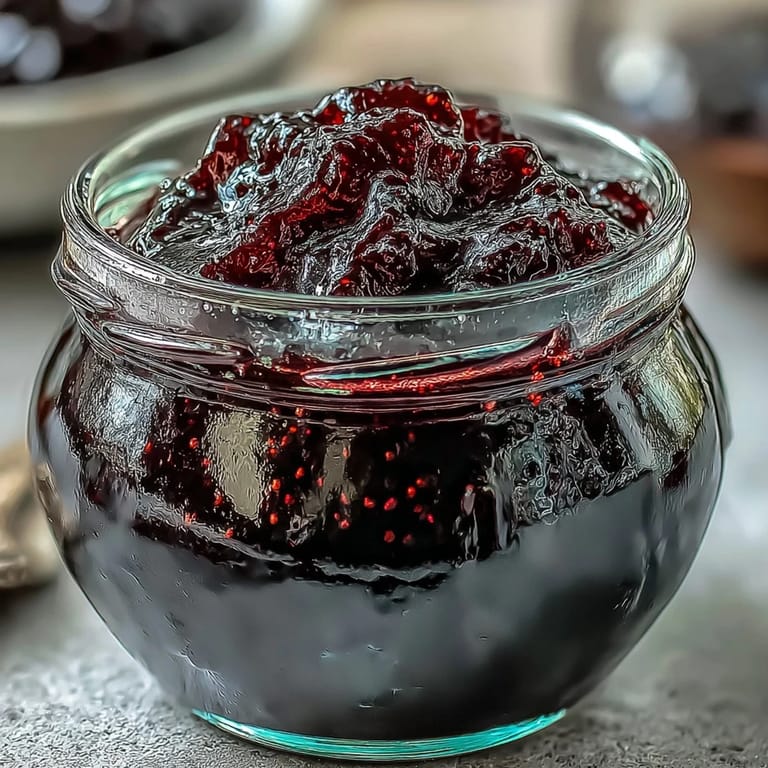
Save There's something deeply satisfying about the moment when you realize you've created something shelf-stable and beautiful from fruit alone—no preservatives, no mystery ingredients, just currants and sugar transformed into pure elegance. That's when you understand why your grandmother probably made jelly, and why you'll find yourself making it every summer once you've started.
The Magic of Black Currants
Black currants are rarely celebrated the way raspberries or strawberries are, but they deserve so much more attention—their flavor is complex and slightly floral, with a tartness that's bright rather than harsh. I grew up thinking they were only for traditional British puddings, but once I tasted them transformed into jelly, I realized they're actually incredibly versatile. The natural pectin in black currants is generous, which is why this recipe works so reliably without needing to add commercial pectin unless your particular batch was especially low-pectin.
Sterilization and Safety Matter More Than You'd Think
Before my first batch, I thought sterilization was just a suggestion—until a friend's jar grew mold because the equipment wasn't properly prepared. Now I take it seriously: wash jars and lids in hot soapy water, then run them through the dishwasher on the hot cycle, or simmer them in water for 10 minutes just before use. This isn't paranoia; it's basic chemistry ensuring your beautiful jelly stays perfect for months rather than turning into a science experiment.
Beyond the Jar: Creative Uses for Your Jelly
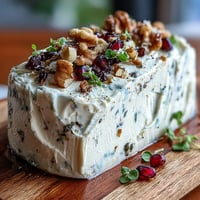
Once you've made your first batch, you'll start seeing possibilities everywhere—swirl it into yogurt, layer it into cakes, use it as a glaze for roasted duck, or simply pair it with creamy cheeses on a bread board. The tartness cuts through richness beautifully, which is why it's such a natural partner for soft cheeses and why pastry chefs love it as a filling. I've even spooned a bit into dark chocolate ganache, and the result was restaurant-quality without any real effort.
- Thin it slightly with a little water and drizzle it over vanilla panna cotta for an elegant finish.
- Use it as a filling between sponge cake layers, where its tartness balances sweet cream perfectly.
- Remember that a little goes a long way—this isn't a spread you want piled thick; it's meant to be an accent, a flavor note that makes everything else taste better.
 Save
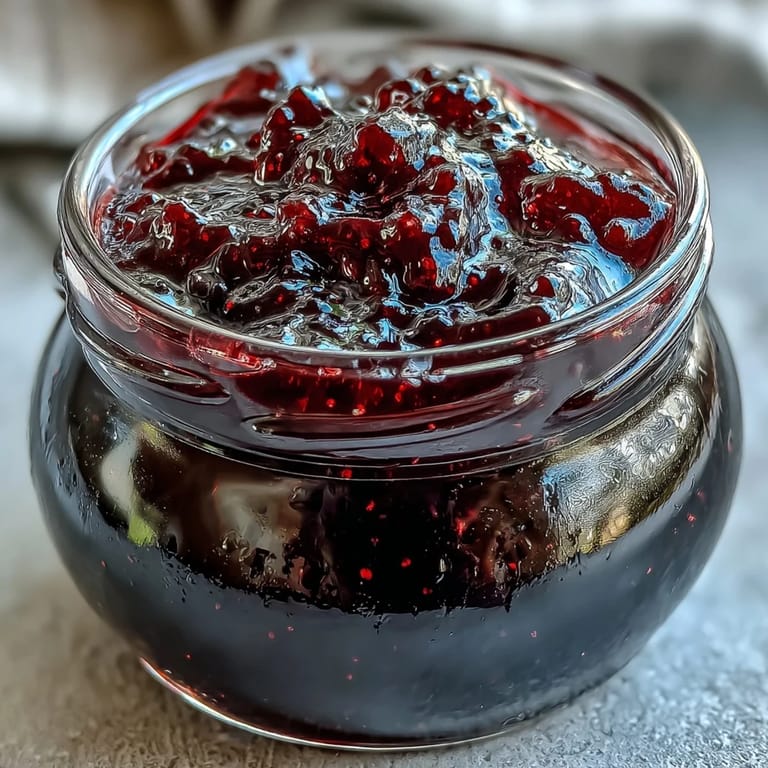
Save Making black currant jelly has become my quiet summer ritual, a way to mark the season and create something that tastes like anticipation and care. If you've never made preserves before, this is the perfect place to start.
Recipe FAQs
- → Why shouldn't I press the fruit when straining?
Pressing the fruit forces pulp and solids through the sieve, clouding your final jelly. Letting gravity do the work ensures crystal-clear results while extracting all the natural fruit juices.
- → How do I know when the jelly is ready?
Use a candy thermometer to reach 105°C (221°F), or try the wrinkle test: spoon a small amount onto a cold plate, chill briefly, then push with your finger. If the surface wrinkles, it's ready.
- → Can I use frozen black currants?
Absolutely. Frozen berries work wonderfully and may even release juice more readily. Thaw completely before cooking and adjust water if needed to achieve proper consistency.
- → Why add lemon juice?
Lemon provides natural acidity which helps the jelly set properly and balances the intense sweetness. It also enhances the bright berry flavor and acts as a natural preservative.
- → How long will sealed jars keep?
Properly sterilized and sealed jars stored in a cool dark place remain fresh for 12-18 months. Once opened, refrigerate and consume within three weeks for best quality.