 Save
Save The first time I understood what slow-cooking could do, it wasn't in a fancy restaurant but in a friend's Muscat kitchen on an unexpectedly hot afternoon. She pulled out this massive lamb shoulder, its surface already deep brown from hours in the oven, wrapped in banana leaves that had turned golden and fragrant. When she unwrapped it, the meat didn't just fall apart—it dissolved. I watched her face as she tasted it, and I knew I had to learn this. That's when she told me about Shuwa, the Omani feast dish that's less about following instructions and more about respecting time and spices.
I made this for my family during a gathering where everyone was skeptical about the long marinating time. Eight hours seemed ridiculous until they tasted it—suddenly, they were quiet, which never happens. My sister asked for the recipe that night, and my dad went back for thirds. That's when I realized Shuwa isn't just food; it's the kind of dish that makes people pause and actually taste what's in front of them.
Ingredients
- Lamb shoulder or leg, bone-in (2.5 kg): Bone-in cuts release collagen that transforms into gelatin, making the sauce silky and rich; don't trim too much fat away, as it keeps the meat moist during those long hours in the oven.
- Garlic paste (4 tbsp): Fresh garlic minced into a paste penetrates the meat better than whole cloves and won't burn at low heat the way chopped pieces might.
- Ginger paste (2 tbsp): Ground ginger works, but fresh ginger paste brings a subtle warmth that complements the other spices without overpowering them.
- Ground coriander (2 tbsp): This is your backbone spice—slightly sweet and earthy, it ties the whole blend together.
- Ground cumin (1.5 tbsp): Adds depth and a subtle nuttiness that feels warm and comforting.
- Ground cinnamon (1 tbsp): Yes, cinnamon in savory meat; it's traditional for a reason, adding sweetness without making the dish dessert-like.
- Ground cardamom (1 tbsp): Floral and aromatic, this is what makes people say, "What is that? It's incredible."
- Ground black pepper (1 tbsp): Fresh cracked is ideal, but ground works perfectly fine here.
- Ground cloves (2 tsp): Use sparingly—cloves have personality, and this amount gives a sophisticated warmth without harshness.
- Paprika (2 tsp): Adds color and a gentle sweetness that balances the heat from chili powder.
- Turmeric (1 tsp): A little goes a long way; it adds earthiness and helps with the beautiful golden color.
- Chili powder (2 tsp): Adjust this to your heat preference; it's not meant to burn, just warm.
- Salt (2 tsp): Taste as you go; you may need more depending on your meat and other ingredients.
- White vinegar (1/4 cup): The acid helps tenderize the meat and brightens the heavy spices.
- Vegetable oil (1/4 cup): Creates a paste-like marinade that clings to every surface of the meat.
- Fresh lemon juice (2 lemons): Always use fresh; bottled juice tastes flat and won't have the same tenderizing effect.
- Banana leaves (4–6 large): They impart a subtle, authentic flavor and keep the meat from drying out; parchment paper works but doesn't taste quite the same.
- Kitchen twine or foil: Choose twine if you want to feel traditional; foil is more reliable for a home kitchen.
Tired of Takeout? 🥡
Get 10 meals you can make faster than delivery arrives. Seriously.
One email. No spam. Unsubscribe anytime.
Instructions
- Mix your spice symphony:
- In a large bowl, combine every spice with the garlic paste, ginger paste, vinegar, oil, and lemon juice. Stir until it looks like a fragrant paste—dark, thick, and absolutely aromatic. This is the moment you'll understand why patience is worth it.
- Score and coat the meat:
- Pat your lamb dry and place it on a cutting board. Using a sharp knife, make deep cuts about 1 inch apart across the surface, cutting down to the bone but not through it. This is important—these cuts let the marinade reach the heart of the meat. Rub the spice paste everywhere: on the surface, into every cut, underneath any flaps of skin, even the sides the pan won't see.
- Give it time to transform:
- Cover the meat tightly with plastic wrap and refrigerate for 8 to 24 hours. I usually do 12 hours as a sweet spot, but longer is never wrong. You'll notice the meat releasing juices and the marinade deepening in color—that's exactly what you want.
- Prepare for the slow dance:
- When you're ready to cook, preheat your oven to 160°C (320°F). This low temperature is key; it allows the meat to cook gently and evenly without toughening. Lay out your banana leaves and pat them dry with paper towels.
- Wrap like you mean it:
- Place the marinated meat in the center of your banana leaves. Fold the leaves up and around the meat, overlapping them so steam can't escape. Tie tightly with kitchen twine or wrap the whole bundle securely in foil—if steam leaks out, your meat won't be as tender.
- Set it and forget it:
- Place the wrapped meat in a deep roasting pan and cover with a lid or layer of foil. Put it in the oven and leave it alone for 4 to 6 hours. Yes, really alone—resist the urge to peek. Every time you open the door, you lose heat and moisture.
- Unwrap the magic:
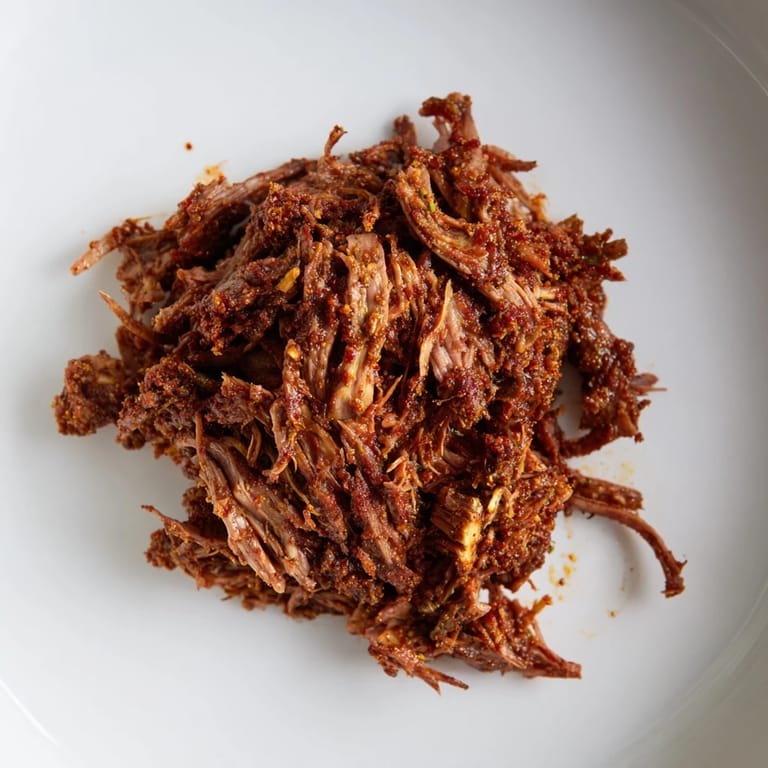
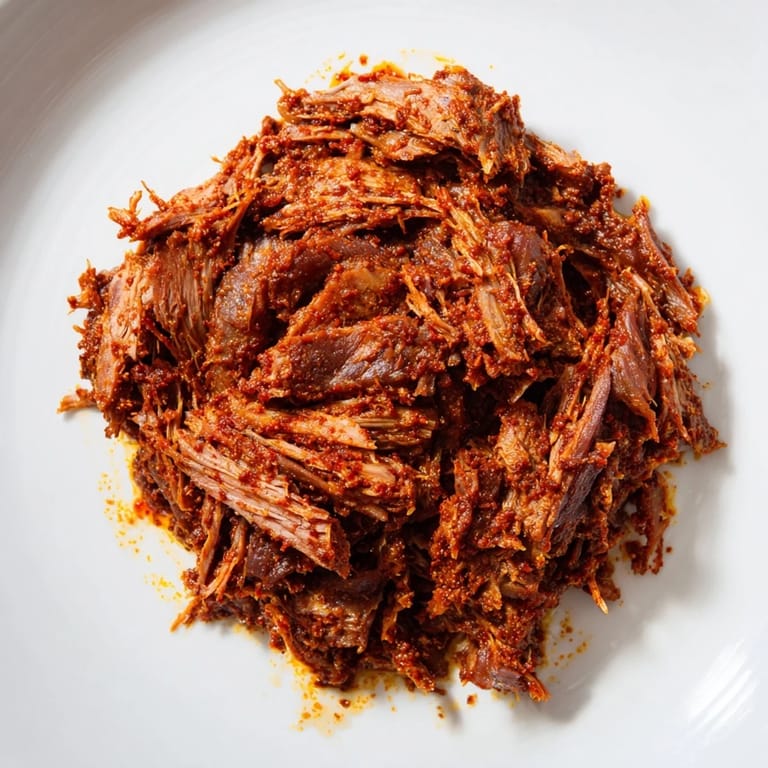
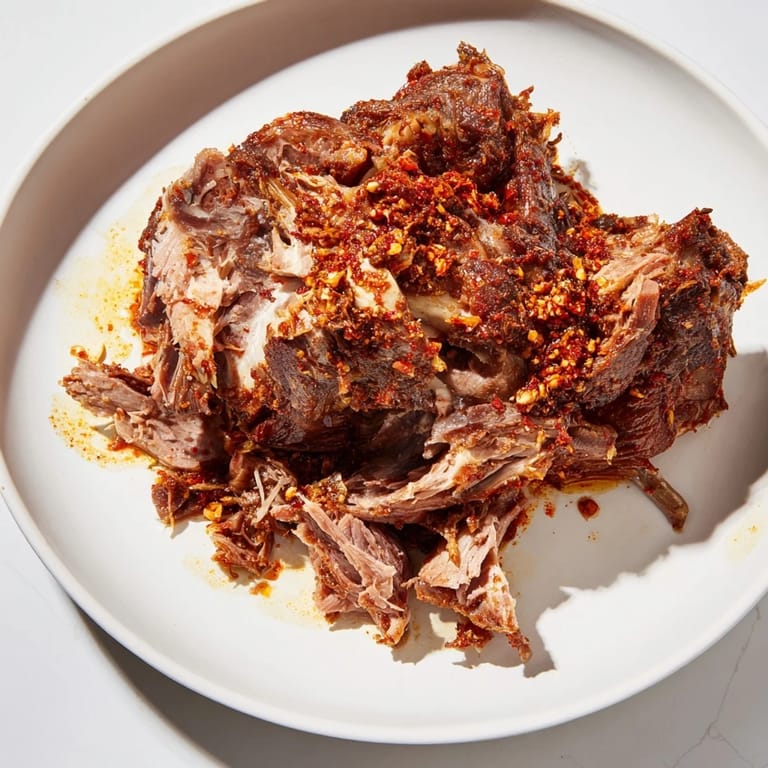
- When the time is up, carefully remove the pan from the oven (it will be hot). Unwrap the meat—the aroma will be incredible. Using two forks or shredding claws, pull the meat apart; it should come off the bone effortlessly. Serve the meat with the pan juices spooned over top.
 Save
Save I remember my grandfather tasting this dish after I made it for the first time and just nodding slowly. He didn't say much, but later that evening, he asked me to write down the recipe—not because he needed it, but because he wanted to remember that I'd made it. That's when I understood that Shuwa isn't about being the fanciest or most complicated dish; it's about showing someone they're worth the wait.
The Spice Blend That Changes Everything
What makes Shuwa different from other slow-cooked lamb dishes is the specific combination of spices—it's warm and aromatic without being spicy in the modern sense. The cinnamon and cardamom create a subtle sweetness, the coriander and cumin provide earthiness, and the cloves add sophistication. This blend has been used in Omani cooking for centuries, and there's a reason it's stuck around; it simply works. The key is not to skip anything or substitute heavily—each spice plays a role in the final flavor, and leaving one out is like removing a voice from a harmony.
Timing, Temperature, and Patience
The difference between good Shuwa and unforgettable Shuwa often comes down to how seriously you take the low and slow approach. Some people bump the temperature up to speed things along, but I learned that rushing this dish defeats the purpose. At 160°C, the meat cooks evenly, the connective tissue breaks down into gelatin, and the flavors marry together in a way that feels inevitable. If you're cooking for a specific time, start checking around the 3.5-hour mark by carefully poking the meat; if a fork easily pulls away a piece, it's done.
Serving and Enjoying Your Creation
Shuwa is best served with spiced rice or fresh flatbread that can soak up the juices, alongside a simple salad and cool yogurt sauce to balance the richness and heat. The meat is so tender and full of flavor that it doesn't need much accompaniment, but these sides make the meal feel complete and balanced.
- Save every drop of the pan juices to drizzle over rice or pour over the meat—that's pure flavor you spent hours developing.
- If you have leftovers, shred any remaining meat and refrigerate it with the juices; it reheats beautifully and often tastes even better the next day as flavors continue to meld.
- For extra smokiness and depth, you can briefly grill or char the meat under the broiler after unwrapping, though this is optional and purist.
 Save
Save Making Shuwa changed how I think about cooking—it taught me that some of the best dishes aren't about fancy techniques or exotic ingredients, but about respecting your ingredients and trusting time. Now whenever I make it, I feel connected to that afternoon in my friend's Muscat kitchen, and I hope whoever tastes it feels that same sense of care.
Recipe FAQs
- → What cut of meat is best for this dish?
The ideal choice is bone-in lamb shoulder or leg, which becomes tender and flavorful after slow cooking. Alternatives like beef or goat can also be used.
- → How do banana leaves affect the cooking process?
Banana leaves help retain moisture and infuse a subtle earthy flavor, while keeping the meat tender during roasting.
- → Can I marinate the meat for less time?
While 8 to 24 hours is recommended for full flavor absorption, even a shorter marinating period will enhance taste to some extent.
- → Is wrapping in foil an acceptable substitute for banana leaves?
Yes, foil can be used to seal in moisture, though banana leaves impart a distinctive aroma that is traditional to the dish.
- → What side dishes complement this dish well?
Spiced rice, fresh salads, and cooling yogurt-based sauces pair beautifully, balancing the rich and aromatic flavors of the meat.
- → How can I add smokiness to the flavor?
After roasting, briefly grilling the unwrapped meat introduces a smoky char that enhances the overall taste.