 Save
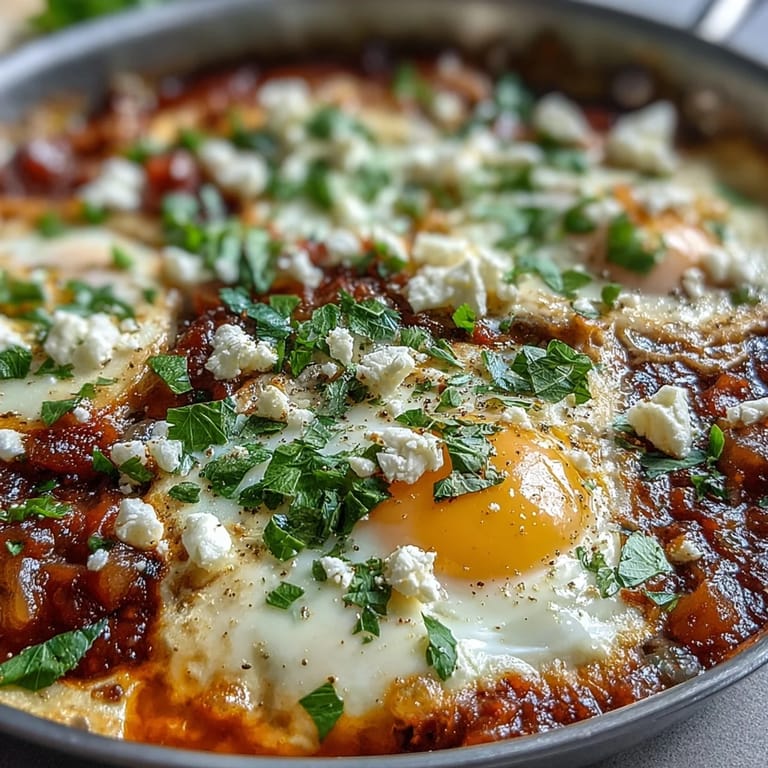
Save My neighbor burst through the kitchen door one Saturday morning with a steaming skillet and the most intoxicating smell of spiced tomatoes and garlic, insisting I taste what she'd learned to make during a trip to Morocco. That first spoonful, with the yolk breaking into the sauce and the warmth of cumin hitting my tongue, changed how I thought about breakfast entirely. Now shakshuka is what I make when I want to feel like I'm sitting in someone's home kitchen far from here, even if it's just my own.
I made this for my roommate on a gray Tuesday morning when she'd been complaining about bland breakfasts, and watching her face light up when she saw those golden yolks glinting in the crimson sauce was worth every minute. She's been requesting it ever since, and honestly, I think it's because there's something comforting about a dish that feels both simple and special at the same time.
Ingredients
- Olive oil: The foundation that lets your spices sing when they hit the pan, so don't skimp on quality here.
- Onion and red bell pepper: These soften into the background but give the sauce body and natural sweetness that balances the spices beautifully.
- Garlic and chili pepper: Garlic awakens the whole dish while the chili adds a subtle heat that sneaks up on you pleasantly.
- Crushed tomatoes: Canned works perfectly fine and honestly tastes more consistent than fresh tomatoes that vary wildly in flavor.
- Ground cumin, sweet paprika, coriander, cayenne: This spice blend is the soul of the dish, so measure them properly and don't be tempted to dump them in haphazardly.
- Eggs: Large eggs work best, and you want them fresh enough that the whites stay together instead of spreading thin across your sauce.
- Fresh parsley or cilantro: A handful at the end brightens everything and gives you that fresh contrast to the warm, cooked spices.
- Feta cheese: Completely optional but recommended, as it adds a tangy salty note that's addictive when it softens into warm pockets.
Tired of Takeout? 🥡
Get 10 meals you can make faster than delivery arrives. Seriously.
One email. No spam. Unsubscribe anytime.
Instructions
- Warm your oil and soften the vegetables:
- Pour olive oil into your skillet and let it get shimmering over medium heat, then add your diced onion and bell pepper. You'll know they're ready when they've lost their raw edge and smell sweet and tender, which takes about five to seven minutes of occasional stirring.
- Wake up the aromatics:
- Add your minced garlic and chopped chili pepper, stirring constantly for just one minute so they release their fragrance without burning. This brief moment is crucial because burnt garlic tastes bitter and will ruin the delicate balance you've been building.
- Build the sauce base:
- Add your crushed tomatoes and all your spices at once, stirring everything together until it's well combined and the spices are distributed evenly throughout the sauce. The mixture should look vibrant and smell complex, with cumin and paprika creating this warm, earthy aroma.
- Let it simmer and thicken:
- Leave the pan uncovered and let the sauce bubble away gently for ten to twelve minutes, stirring occasionally to prevent sticking. You're looking for the sauce to reduce slightly and become more concentrated, at which point you can taste it and adjust the seasoning to your preference.
- Create wells for the eggs:
- Using the back of a spoon, create four shallow indentations or wells in the sauce, spacing them evenly so they cook at the same rate. Think of them like little nests where your eggs will nestle in safely.
- Nestle in the eggs:
- Crack each egg carefully into its own well, being gentle so the yolks stay intact and the whites don't break apart as they hit the warm sauce. You should hear a gentle sizzle as the egg whites begin to set immediately.
- Cover and cook until just set:
- Put a lid on your skillet and reduce the heat slightly to medium-low, cooking for six to eight minutes until the whites are opaque and set but the yolks still jiggle when you gently shake the pan. If you prefer firmer yolks, leave it another couple of minutes, but honestly the runny center is what makes this special.
- Garnish and serve:
- Remove the skillet from heat and shower everything with fresh herbs and crumbled feta if you're using it, then bring the whole thing to the table for family style serving. A crusty piece of bread for dipping transforms this from breakfast into something transcendent.
 Save
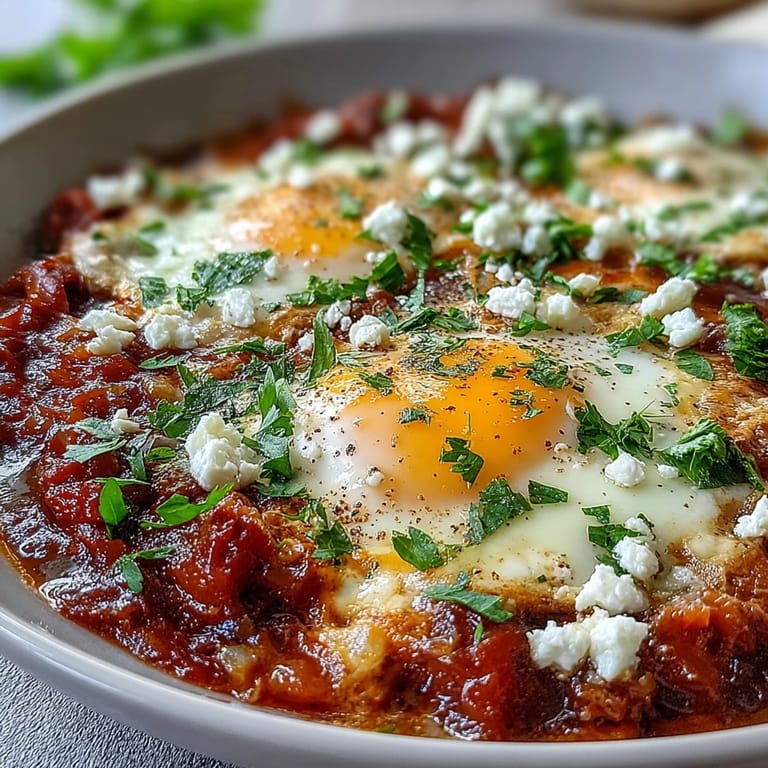
Save There's something almost meditative about watching those eggs cook in their tomato nest, waiting for that exact moment when the whites turn opaque but the yolk still trembles with possibility. It reminds me why people have been making this same dish for generations, because it never gets old.
The Secret of the Spice Ratio
I spent months getting this spice balance right because too much cayenne drowns out the cumin, and too little paprika makes the whole thing taste one-dimensional and sad. The magic is in the interplay between the warm earthiness of cumin and coriander, the gentle pepper kick from paprika, and just a whisper of heat from the cayenne that builds slowly as you eat. Once you taste it when it's balanced correctly, you'll understand why this dish is so beloved across so many different cultures.
Bread, Wine, and the Perfect Pairing
I learned that shakshuka needs something starchy to complete it, not as a side dish but as an essential part of the eating experience. Warm flatbread, pita, or crusty sourdough become vehicles for the sauce, and there's an unspoken rule that you use every last drop by soaking it up from the bottom of the skillet. The contrast between the cool crisp exterior of good bread and the warm silky center of this dish is one of those simple pleasures that doesn't need wine or fancy accompaniments to feel complete, though a cool glass of something bright doesn't hurt either.
Making It Your Own
Once you've made this recipe a few times and understand how it works, you'll start playing with it naturally. Some mornings I add roasted red peppers for a sweeter sauce, other times I stir in a spoonful of harissa for extra complexity and heat. You could swap in crumbled tofu or chickpeas if you want it vegan, or add spinach and mushrooms to make it more vegetable forward without changing the fundamental character of the dish.
- Start with the recipe exactly as written once so you understand the baseline, then experiment from there with confidence.
- Always taste the sauce before adding eggs and adjust the seasoning then, because you won't get another chance to fix it.
- Serve this dish immediately when it comes off the heat, because the best moment is right now when everything is hot and the yolks are perfectly runny.
 Save
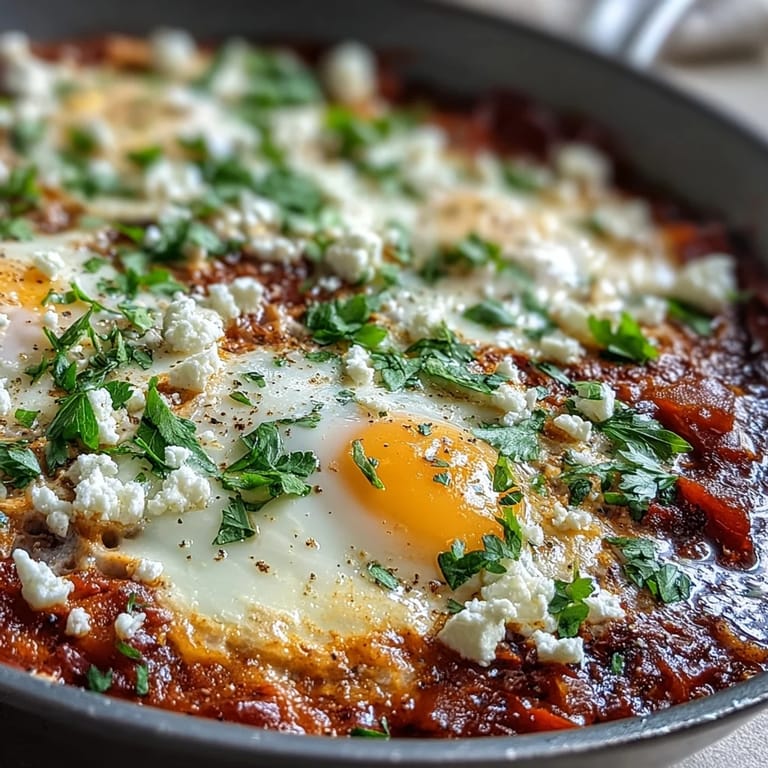
Save Shakshuka is the kind of dish that proves breakfast can be exciting, nourishing, and ready in less time than it takes to shower and get dressed. Once you make it, it becomes one of those recipes you return to again and again because it never disappoints.
Recipe FAQs
- → What is shakshuka?
Shakshuka is a traditional Middle Eastern and North African dish of eggs poached in a spiced tomato and pepper sauce, typically served for breakfast with bread.
- → How do I know when the eggs are done?
The whites should be fully set and opaque, while the yolks remain slightly jiggly and runny. This usually takes 6-8 minutes covered. Cook longer if you prefer firmer yolks.
- → Can I make this ahead of time?
The tomato sauce base can be made up to 2 days ahead and refrigerated. Reheat gently, add the eggs, and finish cooking when ready to serve.
- → What can I serve with shakshuka?
Crusty bread, warm pita, or flatbread are essential for soaking up the sauce. It also pairs well with roasted potatoes, olives, or a simple green salad.
- → Can I make it spicy?
Yes! Add more chili pepper, increase the cayenne, or stir in harissa paste for extra heat. Adjust spices to your preference.
- → Is shakshuka gluten-free?
The dish itself is naturally gluten-free. Just ensure you serve it with gluten-free bread or skip the bread entirely.