 Save
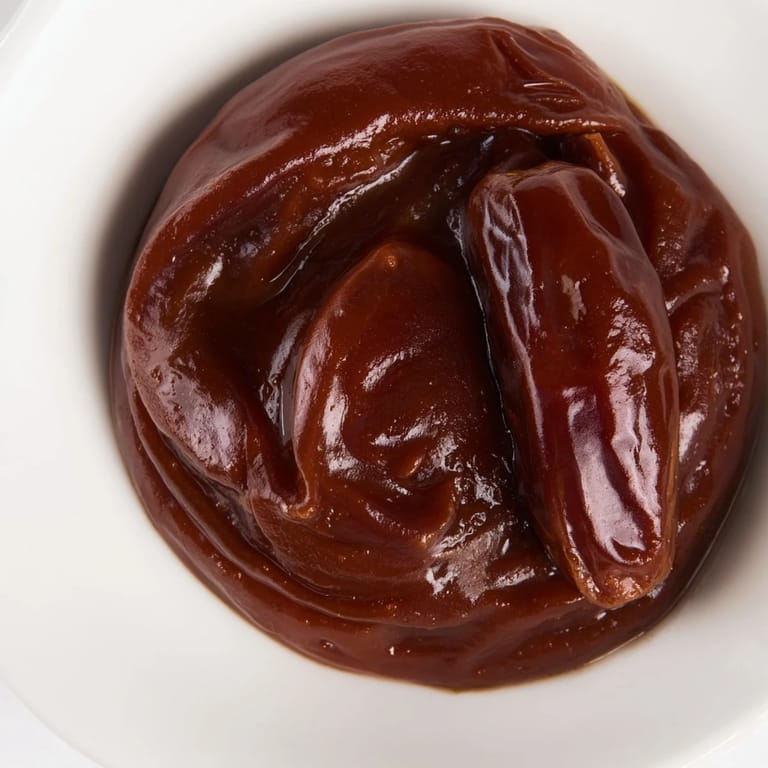
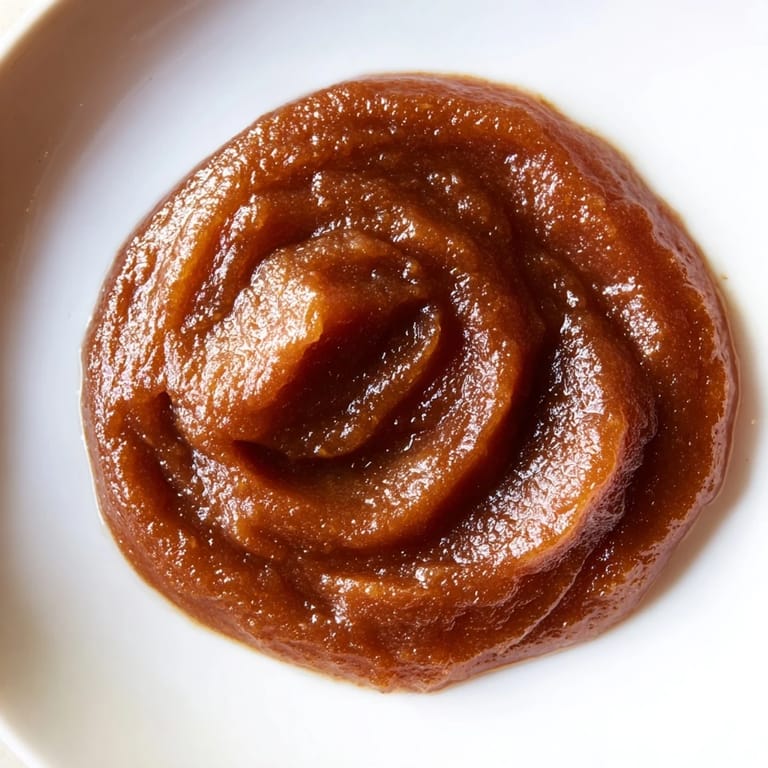
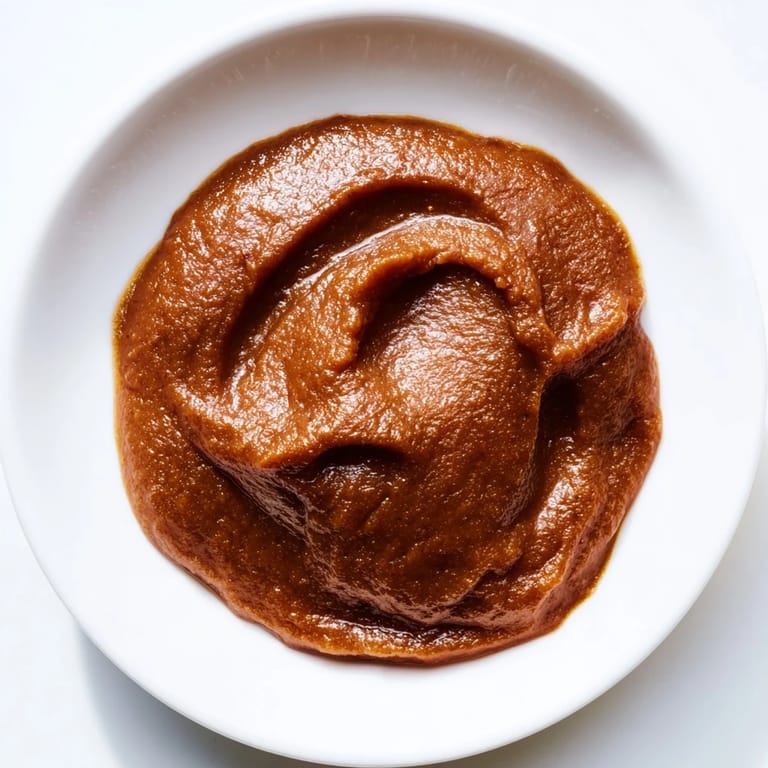
Save My first taste of Al Madrooba came on a quiet morning in Dubai when a friend's mother pressed a warm spoon of it into my hand without ceremony, as if offering something obvious and necessary. The paste was golden and glossy, still steaming faintly, and she said nothing—just watched me taste it and nod. That simple gesture, the richness of dates melting with ghee, made me understand why this dish has been a morning ritual across the Emirates for generations. It's comfort in its most honest form: sweet, uncomplicated, and deeply nourishing.
Years later, I made this for guests who were skeptical about eating dates as a breakfast paste. Within minutes of tasting it warm with fresh bread, they were asking for the recipe. That moment taught me that Al Madrooba doesn't need selling—it just needs to be tasted. There's something about feeding people something genuinely old and genuinely simple that silences doubt.
Ingredients
- Medjool dates (400 g, pitted): The soft, meaty flesh of Medjool dates is essential here—their natural sweetness and butter-like texture are what make this paste sing. Fresh dates mash into cream more easily than dried ones, so check that they're still plump and yielding when you squeeze them.
- Ghee (3 tbsp): This is the soul of the dish, bringing a toasted, nutty richness that transforms simple dates into something luxurious. If you've never worked with ghee, know that it smells almost like caramel when it heats—that's how you'll know it's ready.
- Ground cardamom (1/2 tsp): A whisper of cardamom lifts the entire dish, adding a subtle spiced warmth without overpowering. If you don't have it, the paste is still wonderful, but cardamom is worth seeking out for this one.
- Sea salt (pinch): A tiny amount of salt deepens the sweetness and keeps the paste from tasting one-note.
Tired of Takeout? 🥡
Get 10 meals you can make faster than delivery arrives. Seriously.
One email. No spam. Unsubscribe anytime.
Instructions
- Prepare your dates:
- Remove the pits from your dates if you haven't already, and give them a rough chop. If you're using the food processor method for extra smoothness, blitz them now until they break down into smaller pieces.
- Warm the ghee gently:
- Pour the ghee into your nonstick pan and let it melt over low heat—you want it warm and liquid, but not sizzling. This is where patience matters; rushing the heat can make the dates cook unevenly.
- Combine and coax the paste:
- Add your chopped dates to the warm ghee and start mashing with a wooden spoon, using firm, circular motions. You'll feel the dates resist at first, then gradually soften and begin to form a thick, glossy cream. This takes 3 to 5 minutes of steady work, and the sound of the spoon scraping the pan is almost meditative.
- Season to taste:
- Once the dates are smooth and creamy, sprinkle in the cardamom and a pinch of salt. Stir well to distribute the spices evenly, and watch as the paste becomes even more luxurious and fragrant.
- Rest and serve:
- Remove from heat and let it cool for a few minutes—this allows the flavors to settle. Serve warm or at room temperature, spooned generously onto flatbread or eaten straight from the spoon if no one's watching.
 Save
Save There's a particular kind of satisfaction in serving Al Madrooba to someone for the first time—watching their expression shift from curiosity to delight as they realize something so elegant could be so simple. It's a dish that quietly reminds you that not everything worth eating needs to be complicated.
The Magic of Ghee
Ghee is clarified butter taken one step further, and it transforms this dish in a way butter alone never could. The toasted, slightly caramelized notes it brings create a complexity that makes people ask what's in it. If you've never cooked with ghee before, this is the perfect introduction—it's forgiving, it smells wonderful, and it makes everything it touches taste richer.
Why Dates Matter
Dates are one of the oldest cultivated fruits, and the Emirates have been growing and celebrating them for centuries. In this dish, they're not just a sweetener—they're the entire foundation. The variety matters too: Medjool dates are meaty and naturally smooth, which is why they're the gold standard here. If you can find dates that were harvested in the current season, they'll mash into paste more easily than older, harder dates.
Variations and Flexibility
Once you understand how Al Madrooba works, you can play with it gently. Some families add a touch of orange blossom water or rose water for floral notes. Others fold in chopped pistachios or almonds for texture and nutrition. I once added a few strands of saffron soaked in warm milk, and it created something almost jewel-like. The base recipe is forgiving—it's the dates, the ghee, and the care you take mashing them that matter most.
- If making it dairy-free, coconut oil works beautifully and adds its own subtle sweetness.
- Leftover Al Madrooba keeps for several days in the refrigerator, and you can warm it gently before serving.
- This makes an excellent gift if you pour it into small jars while still warm, letting it cool and set into a spreadable consistency.
 Save
Save Al Madrooba is the kind of dish that belongs in your rotation not because it's trendy, but because it's honest and it nourishes. Make it once, and you'll understand why families have been passing this recipe down without writing it down—it's that simple, and that good.
Recipe FAQs
- → What type of dates work best for this dish?
Soft, fresh Medjool dates are ideal due to their natural sweetness and ease of mashing, creating a smooth texture.
- → Can I substitute the ghee with another fat?
Yes, unsalted butter provides a milder flavor, and coconut oil offers a dairy-free alternative, each affecting the aroma and richness slightly.
- → How can I improve the texture of the spread?
Blending the dates in a food processor before cooking helps achieve extra smoothness and creaminess.
- → Is there a way to add crunch to the dish?
Adding chopped nuts like pistachios or almonds before serving introduces a pleasant textural contrast.
- → What breads pair well with this spread?
Warm khameer, pita, or other soft flatbreads complement the creamy texture and sweet flavors beautifully.
- → Can this dish be served warm or cold?
It is delicious served warm or at room temperature, allowing the flavors to fully develop.