 Save
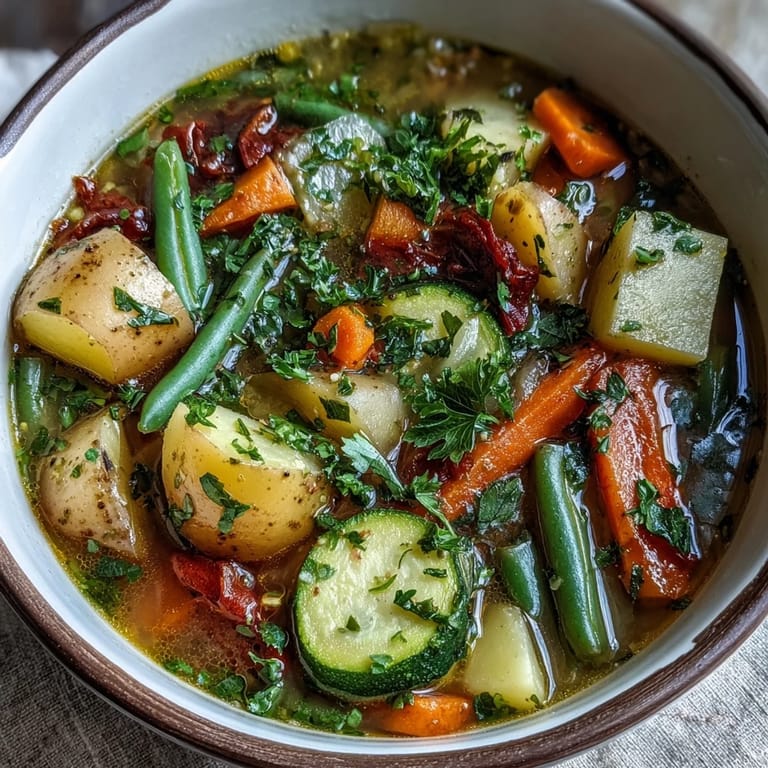
Save I remember a rainy Tuesday when the power flickered and the only comfort I could find was in a bag of wrinkled potatoes. The kitchen felt small and quiet until the sound of dicing vegetables filled the air. There is something hypnotic about the rhythmic chop of a metal knife against a wooden board. By the time the broth started bubbling the house smelled like safety and warm sweaters. This soup is a hug in a bowl for those days when life feels a little too fast.
My neighbor once stopped by while I was simmering this and asked if I was making something for a fancy party. I laughed because it was just the leftovers from my crisper drawer working their charm. We ended up sitting on the floor with mismatched mugs full of steaming soup. It reminded me that the simplest meals are often the ones that spark the best conversations. Sometimes a single bay leaf does more for a mood than a three course dinner.
Ingredients
- Olive oil: This provides the silky base that carries the aromatics through every spoonful.
- Onion and Garlic: These are the quiet heroes that build a deep savory foundation from the bottom up.
- Potatoes: I prefer starchy varieties because they release a bit of fluff into the broth as they cook.
- Carrots and Celery: This classic duo adds sweetness and a necessary earthy crunch.
- Zucchini and Green Beans: These bring a garden fresh texture that keeps the soup from feeling too heavy.
- Vegetable Stock: Choose a high quality one because it acts as the canvas for all your vegetable flavors.
- Herbs: Thyme and parsley offer a woody brightness that cuts through the starch perfectly.
- Frozen Peas: Adding these at the very end ensures they stay bright green and pop in your mouth.
Tired of Takeout? 🥡
Get 10 meals you can make faster than delivery arrives. Seriously.
One email. No spam. Unsubscribe anytime.
Instructions
- Softening the Base:
- Heat the oil and stir the onion carrots and celery until they look translucent and smell sweet.
- Building Aroma:
- Drop in the minced garlic for just a minute until the air in your kitchen turns fragrant.
- Adding Texture:
- Toss in the potatoes beans and zucchini to let them get coated in that flavorful oil.
- The Long Simmer:
- Pour in the stock and spices then let the pot bubble gently under a lid while the potatoes tenderize.
- The Final Touch:
- Stir in the frozen peas right at the end to keep their color vibrant and their texture snappy.
 Save
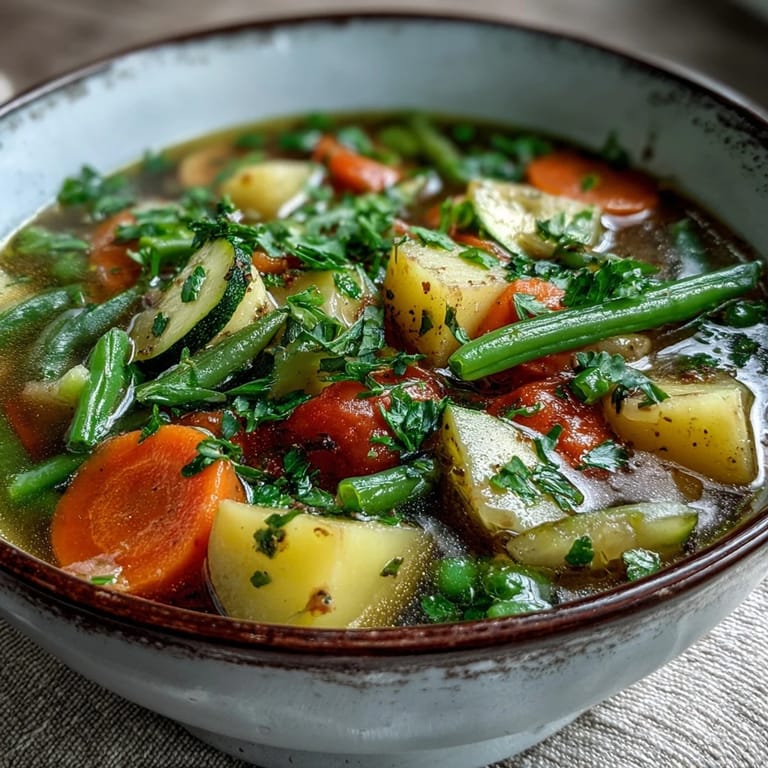
Save I used to think soup needed heavy cream to be satisfying until I let this pot simmer a few minutes extra. The potatoes broke down slightly and created a creamy mouthfeel without a single drop of dairy. It was one of those small kitchen discoveries that made me feel like a much more capable cook. Now I look forward to the way the broth transforms into something rich and gold.
The Seasonal Shift
In the autumn I find myself adding cubes of butternut squash for a hint of orange sweetness. When spring rolls around a handful of chopped asparagus or some fresh dill completely changes the personality of the bowl. This recipe is essentially a template that honors whatever is currently growing in the garden or sitting in your fridge.
Finding Your Preferred Texture
Some days I want a thin clear broth that feels light and restorative after a long week. Other times I use a wooden spoon to smash a few potato chunks against the side of the pot to thicken things up. You can even blend a single cup of the soup and stir it back in for a velvety finish.
Serving and Storage Suggestions
A thick slice of sourdough bread is the absolute best tool for catching every last drop of broth. This soup tastes even better the next day after the herbs have had time to fully infuse the liquid. If you plan on freezing it just remember to leave a little space at the top of your container for expansion.
- Store any leftovers in an airtight container for up to four days in the fridge.
- Reheat it slowly on the stove rather than using the microwave to preserve the vegetable texture.
- Add a squeeze of fresh lemon juice just before eating to wake up the earthy flavors.
 Save
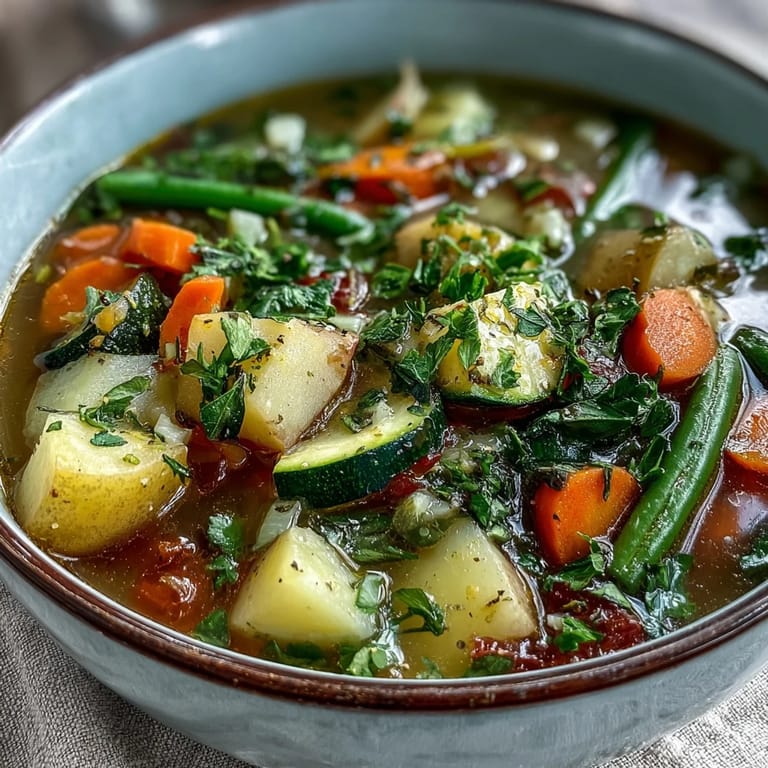
Save Pour a large bowl and find a quiet corner to enjoy the warmth. This meal is a gentle reminder that simple ingredients can create something truly extraordinary.
Recipe FAQs
- → How long does this soup keep in the refrigerator?
This soup stores well in an airtight container in the refrigerator for 4-5 days. The flavors often develop and improve after a day or two. Reheat gently on the stovetet over medium-low heat, adding a splash of broth if needed to adjust consistency.
- → Can I freeze this potato and vegetable soup?
Yes, this soup freezes beautifully for up to 3 months. Cool completely before transferring to freezer-safe containers, leaving space for expansion. Thaw overnight in the refrigerator before reheating. Note that potatoes may become slightly softer after freezing but will still taste delicious.
- → What vegetables work best as substitutions?
Feel free to customize based on what's in season or your preferences. Sweet potatoes, butternut squash, parsnips, or turnips work well instead of regular potatoes. Try adding corn, diced tomatoes, spinach, kale, or bell peppers. Root vegetables like rutabaga or celeriac also add wonderful depth and heartiness.
- → How can I make this soup more filling?
For a more substantial meal, add cooked beans like cannellini or kidney beans during the last 10 minutes of cooking. You can also stir in small pasta shapes, rice, or quinoa. A slice of crusty bread or a side salad makes it a complete, satisfying dinner that will keep you full for hours.
- → What herbs enhance the flavor profile?
Fresh herbs elevate this soup beautifully. Try adding rosemary, oregano, or basil along with the dried herbs. For a brighter finish, stir in fresh dill or chives just before serving. A sprig of fresh thyme instead of dried adds wonderful aroma. Experiment with herb combinations to find your perfect blend.