 Save
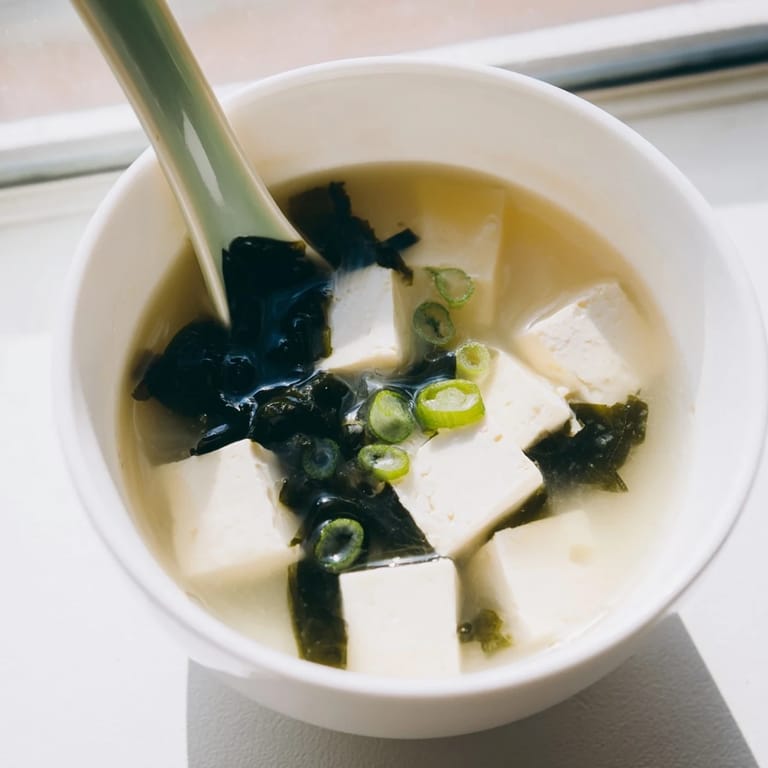
Save My tiny apartment kitchen smelled incredible the first time I attempted authentic miso soup. I had been practicing Japanese cooking for months, reading everything I could find about dashi and fermentation techniques. That evening, as the bonito steam rose from my pot, I finally understood why this humble soup appears at nearly every Japanese meal. It has become my go-to comfort food whenever life feels overwhelming, requiring only twenty minutes and minimal effort to create something deeply nourishing.
Last winter, my neighbor came over shivering after her car broke down during a snowstorm. I quietly prepared this miso soup while she warmed her hands by the radiator. Watching her shoulders relax as she sipped that first steaming bowl reminded me how food can be medicine for the soul. She asked for the recipe before even finishing, and now she makes it weekly for her family.
Ingredients
- Dashi stock: The foundation of Japanese cooking, homemade dashi transforms everything, though quality instant granules work perfectly for busy weeknights
- White or yellow miso paste: Milder miso varieties work best for soup, and I always dissolve it separately to prevent clumping
- Silken tofu: Handle this gently as it crumbles easily, creating those soft clouds that float beautifully in the broth
- Dried wakame seaweed: A little goes a long way, and rehydrating it separately prevents the soup from becoming too salty
- Fresh scallions: These provide a bright crunch and fresh flavor that cuts through the rich earthiness of the miso
Tired of Takeout? 🥡
Get 10 meals you can make faster than delivery arrives. Seriously.
One email. No spam. Unsubscribe anytime.
Instructions
- Prepare the foundation:
- Bring the dashi stock to a gentle simmer in a medium saucepan over medium heat, watching for small bubbles around the edges
- Wake up the wakame:
- While the stock warms, soak dried wakame in cold water for five minutes until it expands and becomes tender
- Dissolve the miso properly:
- Whisk miso paste with a ladleful of hot dashi in a separate bowl until completely smooth, which takes about thirty seconds of patience
- Add the tender elements:
- Gently slide tofu cubes and drained wakame into the simmering dashi, heating for just two to three minutes until everything is warmed through
- The critical final step:
- Remove soup completely from heat, stir in dissolved miso, and never return to boil or you will destroy those beneficial enzymes
- Finish with freshness:
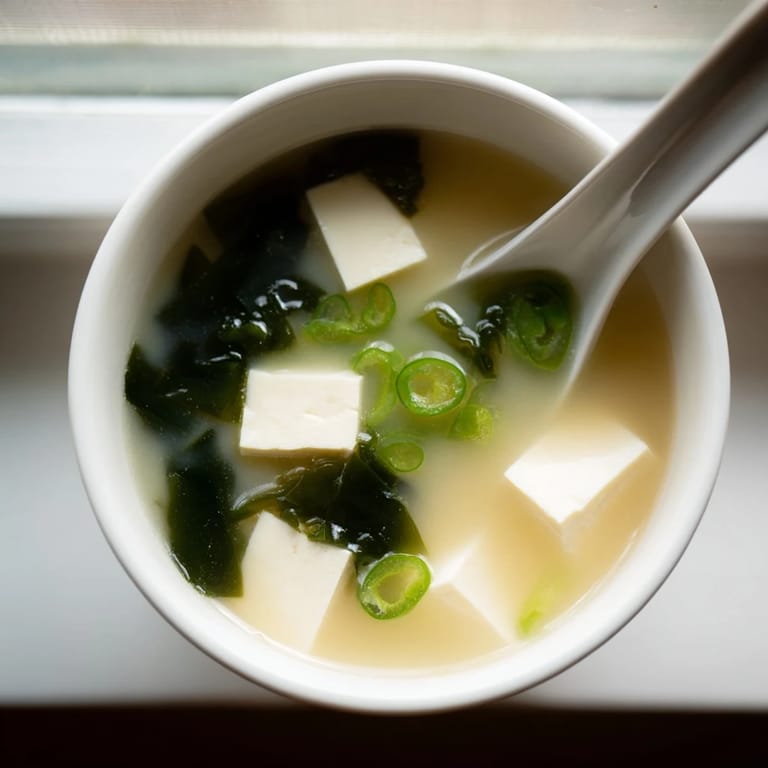
- Ladle into bowls immediately and scatter scallion slices on top while still steaming hot
 Save
Save This recipe has saved me countless times when friends drop by unexpectedly or I need something healing but do not have energy for elaborate cooking. The silence that falls over a table when everyone first tastes this soup is its own special reward.
Making It Your Own
Mixing white and red miso pastes creates incredible depth of flavor that I discovered accidentally one afternoon. The white miso provides sweetness while red adds earthiness, and this combination has become my signature version. For extra protein, add clams or shrimp during the last minute of cooking, or throw in handfuls of spinach for color contrast.
Perfecting Your Dashi
I spent months trying different dashi preparations before finding my preferred method. Homemade dashi from kombu and bonito flakes offers superior clarity, but quality instant dashi granules produce excellent results for weeknight cooking. Store bought dashi concentrate works too, though you may need to adjust quantities to achieve the right balance.
Serving Suggestions
Miso soup traditionally accompanies rice and small dishes in Japanese meals, but it stands alone beautifully as a light lunch or dinner. I often serve it with simple grilled fish or a crisp cucumber salad on the side. The key is keeping accompaniments equally restrained so the soup remains the star.
- Pair with warm brown rice for a complete and satisfying meal
- Add a soft boiled egg directly into the soup for extra richness
- Keep extra miso paste refrigerated for up to six months
 Save
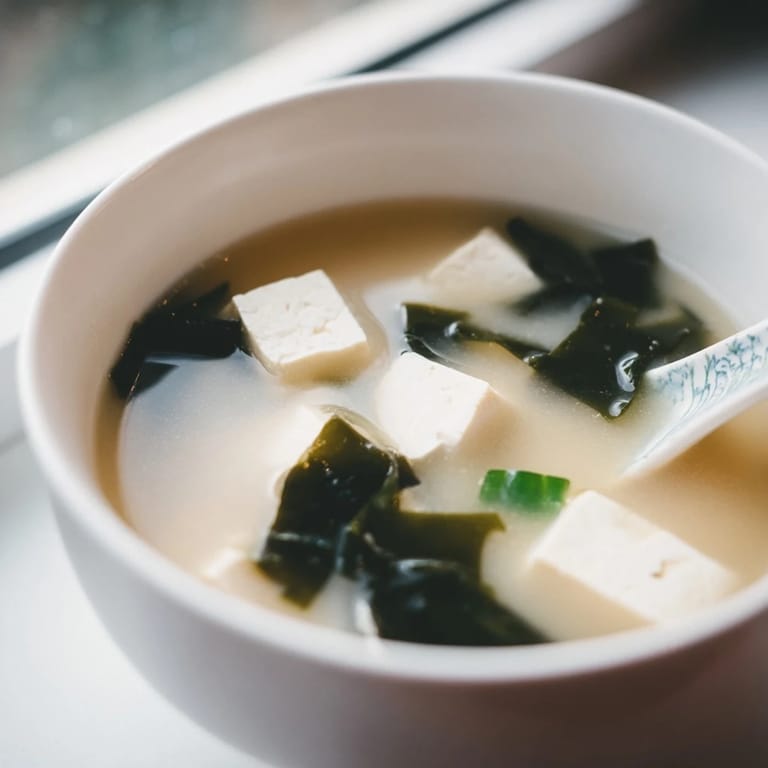
Save There is something profoundly peaceful about preparing this simple soup, and I hope it brings the same quiet comfort to your kitchen as it has to mine.
Recipe FAQs
- → Why should I avoid boiling miso paste?
Boiling miso paste destroys beneficial probiotics and enzymes while making the flavor bitter. Always remove the soup from heat before stirring in dissolved miso to preserve its nutritional benefits and delicate taste.
- → Can I make this dish vegan?
Yes. Use kombu and shiitake-based dashi instead of traditional bonito fish stock. Most miso pastes are naturally vegan, but always check labels to ensure no fish-derived ingredients are included.
- → What type of miso works best?
White miso offers a milder, sweeter flavor ideal for beginners. Yellow miso provides earthy depth. Red miso is stronger and more intense. Many cooks blend white and red varieties for balanced complexity.
- → How do I store leftovers?
Keep refrigerated in a sealed container for 2-3 days. The tofu will continue absorbing flavors. Reheat gently over low heat without boiling to maintain texture and probiotic content.
- → What can I add for more variety?
Thinly sliced shiitake mushrooms, fresh spinach, bok choy, or snap peas make excellent additions. A drizzle of sesame oil or a sprinkle of sesame seeds adds nutty richness before serving.
- → Why does my miso paste have lumps?
Miso dissolves best when whisked into a small amount of hot liquid first. This creates a smooth slurry that incorporates evenly into the broth without forming stubborn clumps.