 Save
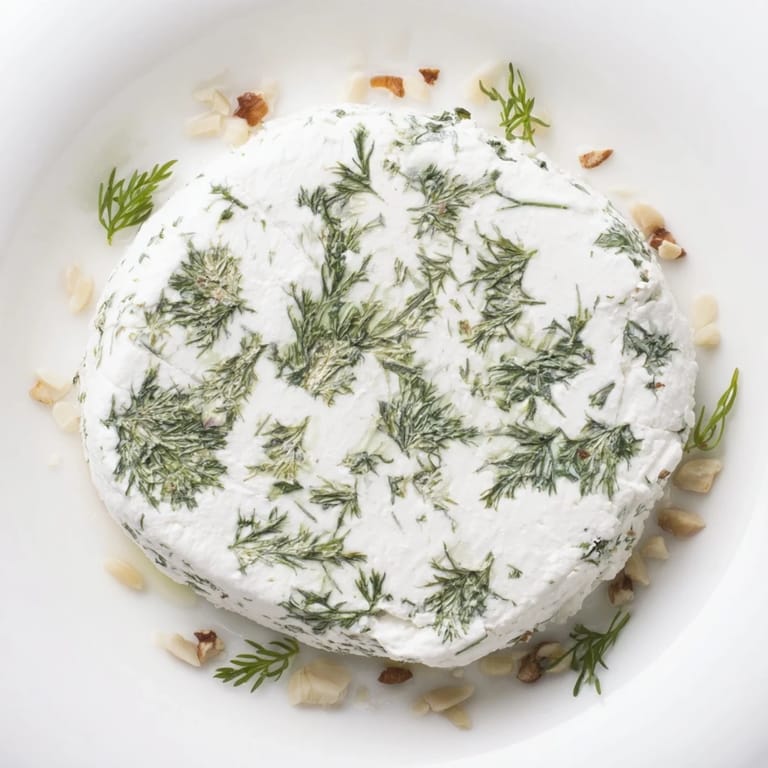
Save I discovered this during a lazy afternoon spent flipping through an old museum catalog, watching photographs of pressed ammonites and leaf imprints. The textures fascinated me so much that I found myself staring at my kitchen counter, wondering if I could recreate that ancient, fragmented beauty with something edible. Soft cheese seemed like the obvious canvas—and those cracked nuts scattered around it felt like I was uncovering something precious from the earth's memory.
My friend Emma brought it to a dinner party, and within minutes the whole room had gathered around the cheese board like we'd actually found something remarkable. She told me later that one guest had asked which museum piece it came from, and she loved keeping that small mystery alive.
Ingredients
- Soft cheese (250 g): Use whatever feels luxurious to you—goat cheese gives tang, cream cheese offers neutral richness, ricotta brings delicate mildness. I've learned that the fresher and colder it starts, the sharper your herb impressions will be.
- Fresh herbs (1 small bunch): Parsley leaves press cleanly, dill fronds create feathery fossils, cilantro adds unexpected brightness. Pick herbs with visible veins and texture for the most striking imprints.
- Olive oil (1 tbsp, optional): A light brush adds a glossy finish that catches light beautifully and prevents drying.
- Assorted nuts (100 g): In-shell nuts look more archeological and dramatic, but cracked or halved ones are easier to eat. Mix sizes and shapes for visual interest.
- Sea salt (1/2 tsp, optional): Just a whisper—enough to accent without overwhelming the delicate cheese.
Tired of Takeout? 🥡
Get 10 meals you can make faster than delivery arrives. Seriously.
One email. No spam. Unsubscribe anytime.
Instructions
- Create your canvas:
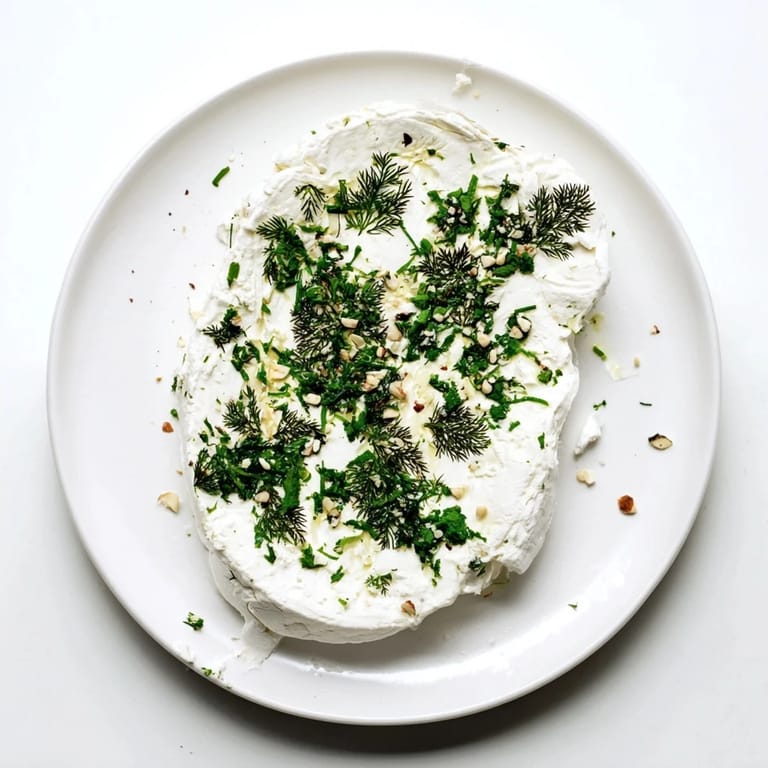
- Line your plate or tray with parchment paper so the cheese releases cleanly. Spread the cheese into a rough, organic shape about three-quarters of an inch thick, leaving the surface imperfect and natural-looking.
- Press the fossils:
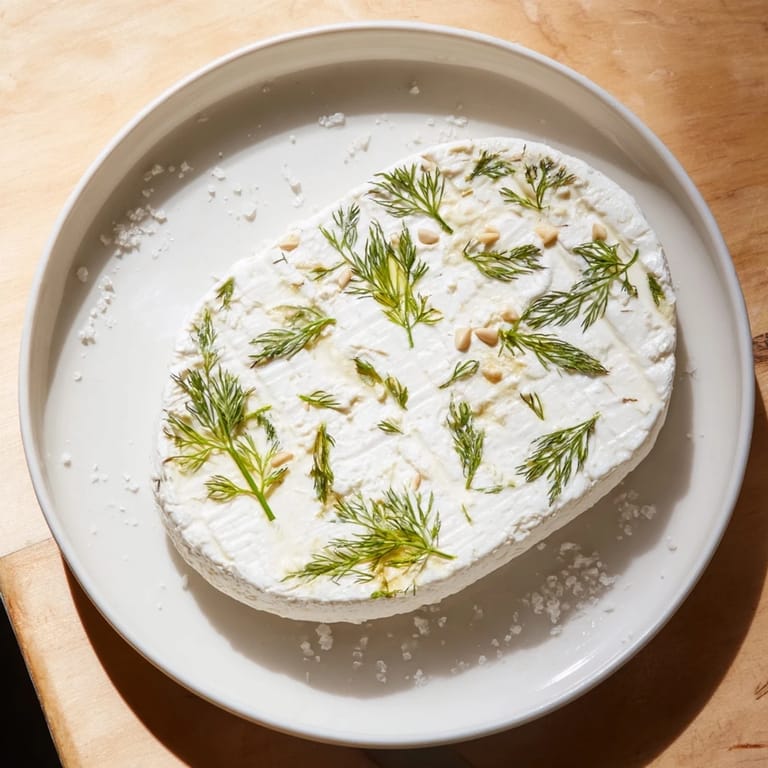
- Lay fresh herb sprigs gently across the cheese and press them down with steady, even pressure using your fingertips. After a few seconds, lift the herbs away carefully to reveal the delicate negative space they've left behind.
- Add dimension:
- If you want that museum-worthy gleam, brush a light coat of olive oil across the surface with a pastry brush. The oil deepens the texture and makes the impressions cast small shadows.
- Arrange the surroundings:
- Scatter cracked nuts and shell fragments around the cheese in an intentional scatter that still feels accidental. Include some broken shells pointing outward to complete the excavation effect.
- Final touch:
- A whisper of sea salt sprinkled over everything connects the elements and adds a subtle savory note.
 Save
Save What started as a visual joke became something unexpectedly moving when my nephew asked me if I'd actually found these fossils. I let him believe it for a moment before explaining how we'd made them together, and something about that small deception felt like the best kind of kitchen magic.
The Story Behind the Plate
Every beautiful food serves a purpose beyond hunger, and this one reminds us to play in the kitchen. When did cooking become so serious? There's something quietly rebellious about treating a soft cheese like a canvas, about pressing leaves into it like you're a paleontologist in a tiny domestic museum. The best meals I've shared happened when we stopped worrying about perfection and leaned into the whimsy instead.
Serving and Pairing
Serve this with sturdy crackers that can cradle the cheese without breaking, or thick slices of warm bread where the cheese can melt slightly. A crisp Sauvignon Blanc works beautifully, but honestly, it's elegant enough to stand alone as a conversation piece. Some people add a drizzle of honey or good preserves across the top for sweetness against the salt and earthiness, which I've found transforms the whole experience.
Variations and Secrets
Once you understand the basic technique, the variations reveal themselves naturally. Edible flowers like pansies or nasturtiums create different fossil shapes than herbs; microgreens make feathery impressions; even small leaves from the garden work beautifully. For vegan guests, plant-based soft cheese works surprisingly well, though it tends to be slightly firmer, so press a touch more gently. I once accidentally discovered that chilled beet greens made an unexpectedly jewel-toned impression, so don't be afraid to experiment.
- Try layering two different soft cheeses for color contrast and complementary flavors.
- Press herbs deeper for bold shadows, or barely kiss the surface for subtle, delicate marks.
- Make it ahead and refrigerate for up to four hours—the impressions actually set and deepen as it chills.
 Save
Save This dish proves that some of the best moments in the kitchen come from curiosity and a willingness to see your ingredients as something more than their obvious purpose. Serve it with joy and watch your guests marvel at something you made with nothing but time, imagination, and things already in your kitchen.
Recipe FAQs
- → How do I create the herb imprints on the cheese?
Press fresh herb sprigs gently into the soft cheese surface, then carefully lift them away to leave detailed impressions resembling fossils.
- → Can I use different types of cheese for this dish?
Yes, soft cheeses like goat cheese, cream cheese, or ricotta work well. For a vegan alternative, substitute with plant-based soft cheese.
- → What nuts work best for the rustic arrangement?
A mix of walnuts, pecans, almonds, and hazelnuts, preferably in the shell and cracked, creates an appealing texture and appearance.
- → Is there a way to enhance the appearance of the cheese?
Lightly brushing the cheese surface with olive oil adds a subtle sheen, making the herb imprints more pronounced and visually striking.
- → How should this dish be served and stored?
Serve immediately with crackers or fresh bread, or refrigerate until ready to serve to preserve freshness and texture.