 Save
Save I discovered this dish during a late-night conversation with a friend who'd just returned from traveling through three continents in two months. She described weaving between spice markets in Istanbul, sitting in a Bangkok night market mesmerized by the sizzle of woks, and sharing mezze plates in a tiny café near the Mediterranean. I was so captivated that I asked her to describe every flavor she remembered, and then I did something I rarely do—I cooked without a recipe, just her stories. What emerged was this patchwork of three distinct flavor worlds, each singing in its own language but somehow harmonizing on one plate.
The first time I made this for guests, my neighbor called just as I was plating the three clusters, and I ended up inviting her over on a whim. She walked in mid-sizzle, the kitchen was fragrant with sesame oil, oregano, and cumin all at once, and before she even sat down, she said something I still think about: "It smells like traveling." That moment stuck with me because she was right—this dish isn't just food, it's the sensation of moving between places, the way smells mark different territories of the world.
Ingredients
- Extra-virgin olive oil: Use it generously in the Mediterranean cluster and don't skip the toasted sesame oil for the Asian side—toasted is crucial because raw sesame oil tastes flat and one-dimensional by comparison.
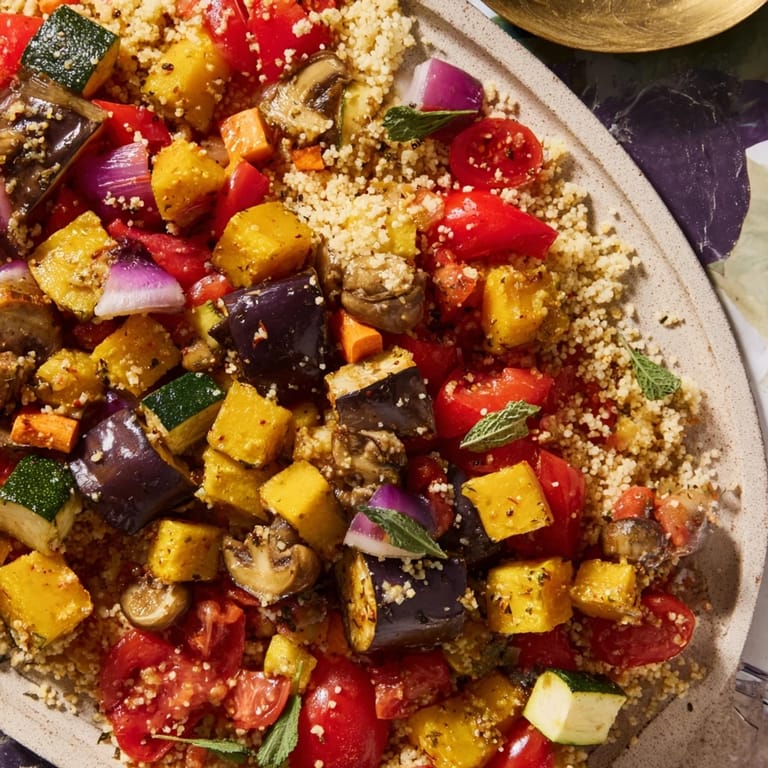
- Eggplant: Dice it into roughly half-inch pieces so it absorbs flavor without turning mushy; if your eggplant is particularly large, salt it first and let it sit five minutes to draw out excess moisture.
- Bell pepper and zucchini: Cut them into similar-sized pieces so they cook evenly and the plating looks intentional rather than accidental.
- Cherry tomatoes: Halve them right before cooking to preserve their bright acidity and prevent the insides from releasing too much liquid.
- Shiitake mushrooms: Slice them thick enough that they don't disappear into the pan but thin enough that they cook through in three minutes.
- Snap peas: Keep them whole or halved lengthwise; they should stay crisp and almost squeaky against your teeth.
- Chickpeas: If using canned, rinse them thoroughly under cold water to remove the starchy liquid that would make the Middle Eastern cluster gummy.
- Bulgur or quinoa: Cooked bulgur absorbs the warm spices beautifully and has a slightly toothy texture; quinoa is nuttier and works if you prefer gluten-free.
- Feta cheese: Crumble it just before serving so it stays fresh and distinct rather than melting into everything.
- Toasted sesame seeds: Toast them yourself in a dry pan if possible—you'll taste the difference immediately in their depth and aroma.
Tired of Takeout? 🥡
Get 10 meals you can make faster than delivery arrives. Seriously.
One email. No spam. Unsubscribe anytime.
Instructions
- Mise en place—your secret weapon:
- Prepare every vegetable and gather every ingredient before you turn on the heat, arranging them so your hands know exactly where to reach next. This isn't just organized cooking; it's the difference between calm and chaos when you're managing three hot pans at once.
- Start the Mediterranean cluster:
- Heat olive oil until it shimmers, then add eggplant first because it needs the most time to soften and absorb the oil's richness. Listen for the gentle sizzle—it tells you the temperature is right.
- Build the Mediterranean flavors:
- After three minutes of eggplant, add bell pepper, zucchini, tomatoes, and garlic in one motion, stirring to coat everything in the hot oil. The garlic should become fragrant but not brown; if it starts to darken, you've added it too early or the heat is too high.
- Season and finish the Mediterranean cluster:
- Sprinkle oregano, salt, and pepper over the vegetables, then cook for 8 to 10 minutes, stirring occasionally, until everything is tender and the edges of the eggplant are starting to caramelize. The smell is your signal—when it smells deeply savory and warm, you're done.
- Begin the Asian cluster:
- In a second skillet, warm sesame oil over medium-high heat until it moves like water and becomes fragrant. Add mushrooms and let them sit undisturbed for a minute so they develop a light golden surface.
- Add and finish the Asian vegetables:
- Stir the mushrooms, then add snap peas and carrot, cooking for two minutes more until everything is heated through but the peas still have a snap. Pour in soy sauce, ginger, and rice vinegar, tossing gently, then remove from heat after 2 to 3 minutes—the acid should brighten everything without cooking away the snap.
- Create the Middle Eastern cluster:
- In your third skillet, warm olive oil and add red onion, cooking gently for about three minutes until it becomes soft and slightly translucent at the edges. The sweetness of the onion will balance the spices that follow.
- Finish the Middle Eastern cluster:
- Add chickpeas and cooked bulgur or quinoa along with cumin, coriander, and cinnamon, stirring often for five minutes so the spices warm through and coat everything evenly. The warmth will bring out the earthiness of the spices without burning them.
- Final touches before serving:
- Remove the Middle Eastern cluster from heat and toss with fresh parsley and lemon juice, tasting as you go and adjusting salt and pepper. The lemon should brighten everything, making you want another bite.
- Plate and celebrate:
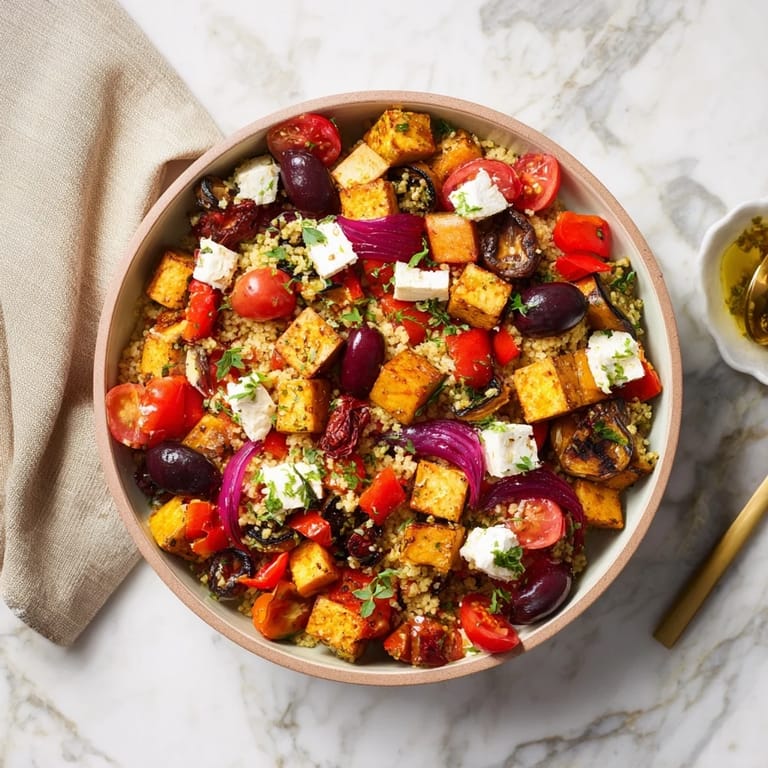
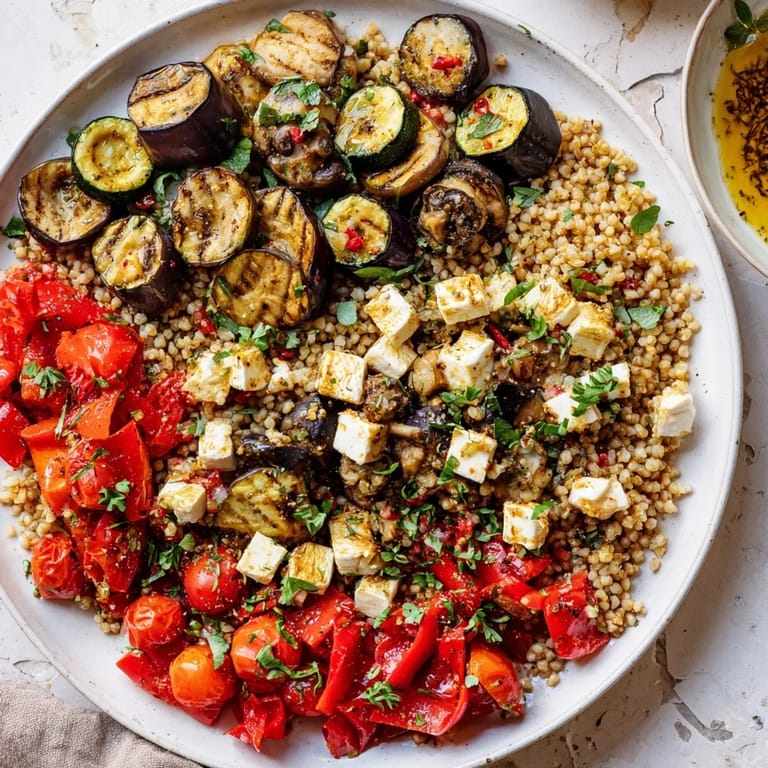
- Arrange the three clusters side by side on a large platter or individual plates so each world is visible and distinct. Scatter feta cheese, toasted sesame seeds, and fresh mint or cilantro over everything, then encourage everyone at the table to mix and match, creating their own flavor combinations.
 Save
Save I made this for my family one autumn evening when everyone was traveling in different directions, and for that one meal, we were all in the same room tasting the same global journey. My dad mixed everything together on his plate immediately, ignoring the intentional separation; my sister ate each cluster alone, savoring them one at a time; and my mother kept saying she couldn't decide which world she loved most. That's when I realized the real gift of this dish—it gives everyone permission to eat however they want.
How to Make This Your Own
The beauty of The Spice Route is that it's a framework, not a rigid rule. If you don't have eggplant, try diced zucchini or portobello mushrooms in the Mediterranean cluster. Prefer bok choy over snap peas in the Asian side? Absolutely—swap it in and adjust the cooking time by a minute or two. The Middle Eastern cluster is particularly forgiving because chickpeas and grains are stable and friendly to substitution. I've made versions with white beans instead of chickpeas, farro instead of bulgur, and swapped cilantro for parsley based on what was thriving in my garden that week. The clusters stay themselves; what changes is the personality you bring to them.
Scaling and Serving Suggestions
For two people, halve all the quantities and use one large skillet, cooking each cluster sequentially rather than simultaneously. For eight people, double everything and either use six skillets or cook in two rounds, keeping the first batch warm in a low oven. I've also discovered that this dish is unexpectedly good at room temperature the next day, which makes it perfect for meal prep or bringing to a potluck. The flavors actually deepen and settle overnight, so cold leftovers become something different and equally delicious.
Wine Pairing and Table Companions
A crisp Sauvignon Blanc is my standard choice—it has enough acidity to cut through the richness and enough lightness to let the spices sing. If you prefer red, a light-bodied Pinot Noir won't overwhelm the delicate Asian cluster. Serve with warm flatbread or steamed rice to soak up the flavors and make the meal feel more substantial. I also love setting out small bowls of additional fresh herbs, extra lemon wedges, and hot sauce at the table—it transforms dinner into something collaborative, where everyone becomes a small chef tasting and adjusting as they go.
- Make extra garnishes because people use more than you'd expect once they start experimenting.
- Have a second cutting board ready if you want to chop additional fresh herbs right before serving.
- Keep the wine cold and pour it as people settle in, letting the meal unfold slowly rather than rushing through it.
 Save
Save This dish became more than a recipe for me the night my neighbor tasted it and said it smelled like traveling. Now whenever I make it, I'm not just feeding people—I'm giving them a small edible passport, a moment to taste three different corners of the world at the same table. That feels like something worth doing.
Recipe FAQs
- → Can I substitute bulgur with another grain?
Yes, quinoa is an excellent gluten-free alternative that complements the Middle Eastern cluster's textures and flavors.
- → What oil works best for the Asian cluster?
Toasted sesame oil imparts a rich, nutty aroma ideal for the Asian ingredients, enhancing shiitake mushrooms and snap peas.
- → How can I add extra protein to the dish?
Grilled chicken, tofu, or lamb can be incorporated into any cluster to boost protein content and add variety.
- → Are there vegan options for the garnishes?
Yes, simply omit crumbled feta cheese and use fresh herbs like mint or cilantro for garnish to keep it plant-based.
- → What sides pair well with this dish?
Flatbread or steamed rice make great accompaniments that complement the clusters' vibrant flavors and textures.
- → How should I season the clusters for balanced flavor?
Season each cluster with its specific herbs and spices — like oregano for Mediterranean, ginger and soy for Asian, and cumin with cinnamon for Middle Eastern — for balanced aromatic layers.